

Month: May 2024

4 Important Things to Know About Botox
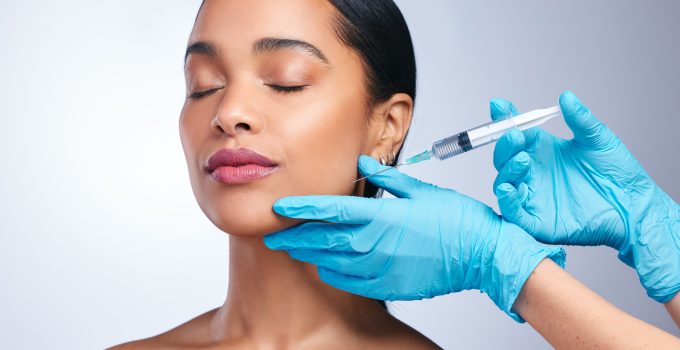
Botox effectiveness and safety depend on educated decisions.

Botox effectiveness and safety depend on educated decisions.

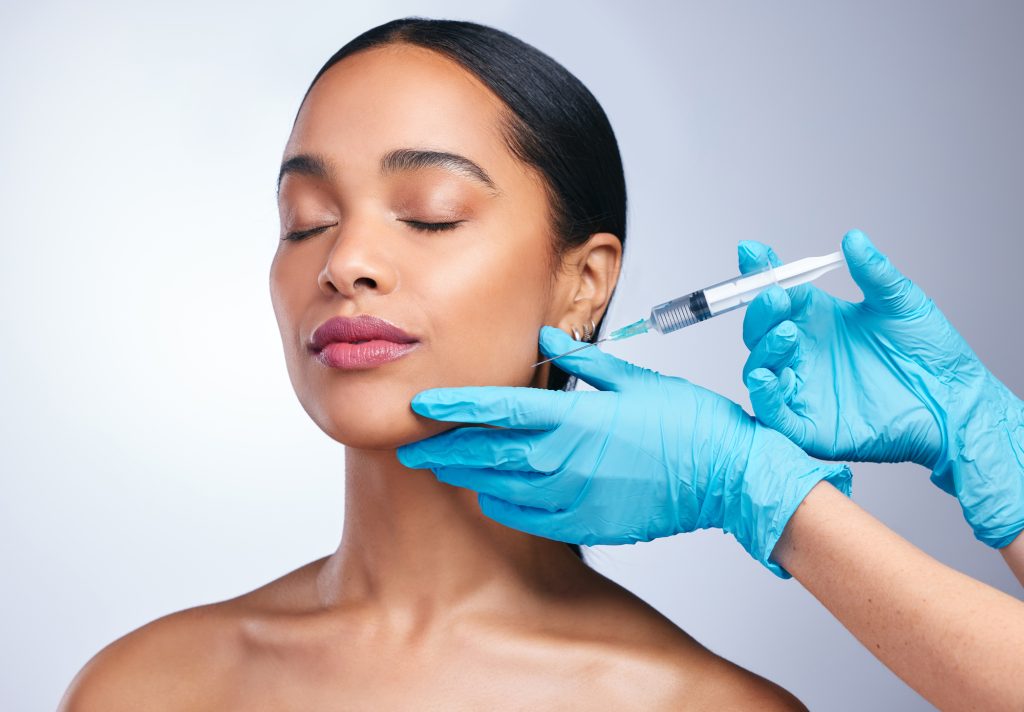
When it comes to beauty treatments, particularly those involving injections like Botox, caution and awareness are paramount. The allure of low-cost Botox can be tempting, but it often comes with significant risks. Ensuring safety with “Tox” injections and other medical spa treatments is essential to avoid potentially hazardous circumstances. Here, we explore four critical things to know about Botox to help you make informed decisions and prioritize your health.

1. Quality Over Affordability

It’s easy to fall for discounted Botox treatments when they offer the chance to achieve your desired cosmetic effects for a much lower price. However, it’s vital to be aware that less expensive does not necessarily mean better when it comes to medical procedures. Choosing to use discounted services can lead to terrible outcomes.

Concerningly, there have been reports of people being hospitalized or suffering from serious symptoms as a result of neurotoxic injections that are not Botox Cosmetic. The quest for discounts in the beauty sector can lead to significant repercussions, as these stories demonstrate.

Authentic Botox, manufactured by Allergan, is a well-regulated product that meets stringent safety and efficacy standards. It requires proper storage and handling, conditions often not met by cheaper alternatives. When you opt for marked-down Botox, you might be receiving a diluted or fake product, which can result in undesirable outcomes such as uneven facial expressions, drooping eyelids, and in severe cases, life-threatening allergic reactions. Therefore, prioritizing quality over affordability is not just about getting the best results, but also about ensuring your safety and health.

2. The Significance of Certification

If you are considering a cosmetic operation, it is imperative that you choose a qualified specialist. To provide the best possible care and security for their patients, certified experts strictly follow the rules and regulations established by the product’s producer and state medical organizations. By providing treatments that are in line with the standard of care, these doctors greatly lessen the likelihood of problems associated with counterfeit goods.

Certification is not just a formality; it reflects a practitioner’s commitment to maintaining high standards of practice. Certified practitioners undergo extensive training, understanding the complexities of facial anatomy and the specific techniques required to administer Botox safely and effectively. This knowledge is vital in avoiding complications such as asymmetry, infections, and unwanted side effects.

In addition to their technical skills, certified professionals stay updated with the latest advancements and best practices in cosmetic procedures. They are equipped to provide comprehensive consultations, helping patients understand the treatment process, set realistic expectations, and address any concerns. 

3. Recognizing Cost Warning Signs

The price of Botox treatments depends on several factors, such as the product’s quality, the practitioner’s skill, and the clinic’s efficiency. Since getting real Botox and maintaining a good standard of care are expensive, most respectable practitioners charge the same. Look out for Botox sold at much-reduced pricing; it can be a red flag.

Extremely low prices often suggest counterfeit or diluted products, posing significant health risks. Counterfeit Botox may contain unknown substances that can cause severe allergic reactions or infections. Diluted Botox, on the other hand, may not provide the desired results, leading to a need for additional treatments and higher overall costs in the long run.

Moreover, practitioners offering unusually low prices may cut corners in other areas, such as using expired products or employing inadequately trained staff. These practices can result in poor treatment outcomes and increase the likelihood of complications. Therefore, when evaluating Botox treatments, it’s essential to prioritize quality and safety over cost. Investing in a reputable clinic with certified professionals ensures that you receive authentic Botox administered correctly, providing the best possible results.

4. The Importance of Consultation and Aftercare

It is critical to have a comprehensive consultation before Botox treatment. During this session, the practitioner will review your health history, listen to your cosmetic objectives, and discuss the procedure’s risks, benefits, and anticipated outcomes. The most important part of the process is making sure you are a good candidate for Botox and that the results meet your expectations.

In addition to the initial consultation, proper aftercare is essential for achieving optimal results and minimizing complications. Certified practitioners provide detailed aftercare instructions, including what to avoid post-treatment (e.g., strenuous exercise, certain medications) and how to manage any side effects. They also schedule follow-up appointments to monitor your progress and address any concerns.

Patients often overlook the importance of aftercare, but it plays a significant role in the success of Botox treatments. Proper aftercare helps reduce the risk of side effects such as bruising, swelling, and infection and ensures that the Botox settles correctly for the best aesthetic outcome.

Conclusion

When it comes to Botox, making informed decisions is crucial to ensuring both the effectiveness of the treatment and your safety. While the allure of low-cost Botox can be strong, it often comes with significant risks. Prioritizing quality over affordability, choosing certified professionals, recognizing cost warning signs, and valuing thorough consultation and aftercare are all essential steps in achieving the best possible results with Botox.

Further Considerations

Understanding the long-term implications of Botox treatments is also important. Regular Botox users should be aware of how repeated injections can affect muscle movement over time. While Botox is generally safe, improper or excessive use can lead to resistance or diminished effectiveness. Discussing these aspects with a certified professional can help tailor a treatment plan that maintains effectiveness while minimizing risks.

Additionally, it’s worth considering the psychological impacts of Botox. While the physical benefits are often immediate and visible, the mental satisfaction of looking one’s best can also play a significant role in overall well-being. However, it’s essential to manage expectations and understand that Botox is not a cure-all for self-esteem issues. A holistic approach that includes both physical and mental health considerations will yield the best results.

Stay Informed and Stay Safe

Botox can provide significant aesthetic benefits, but it’s essential to approach it with the same caution and diligence as any medical procedure. By prioritizing quality, seeking certified professionals, recognizing cost warning signs, and understanding the importance of consultation and aftercare, you can enjoy the benefits of Botox while minimizing risks.


How Botox Is Helping People Burp: A New Therapeutic Application

Burping, or belching, is a natural process in which excess air is expelled from the stomach through the esophagus.

Burping, or belching, is a natural process in which excess air is expelled from the stomach through the esophagus.

Botox, also known as botulinum toxin, is well-known for its cosmetic uses, especially in smoothing fine lines and wrinkles. But its therapeutic uses go far beyond appearances. In recent times, medical practitioners have discovered a new use for Botox in the treatment of esophageal dysfunctions, particularly for those who have trouble burping.

Understanding Burping and Its Importance

Burping, or belching, is a natural process that involves the expulsion of excess air from the stomach through the esophagus. This physiological mechanism aids in relieving bloating and discomfort brought on by the air swallowed. The upper esophageal sphincter (UES), a ring of muscle at the top of the esophagus, plays a crucial role in this process. When the stomach fills with air, the UES relaxes, allowing the air to escape upwards, resulting in a burp.

The Inability to Burp: Retrograde Cricopharyngeus Dysfunction (R-CPD)

Retrograde cricopharyngeus dysfunction (R-CPD) is a condition affecting some individuals, where the cricopharyngeal muscle fails to relax properly, preventing burping. This dysfunction traps air in the stomach and esophagus, leading to symptoms such as severe bloating, abdominal pain, chest discomfort, and social distress due to the inability to expel the trapped air.

How Botox Works

Botox is a neurotoxin that temporarily paralyzes muscles by blocking the release of acetylcholine, a neurotransmitter responsible for muscle contraction. Injectors can relax specific muscles by injecting Botox. This mechanism of action is exploited in various medical treatments, including the management of muscle spasticity, chronic migraines, and hyperhidrosis (excessive sweating).

Botox for R-CPD: Procedure and Effectiveness

Treating R-CPD with Botox requires administering the toxin directly into the cricopharyngeal muscle. This procedure is usually done under local anesthesia and utilizes endoscopic guidance to ensure a precise injection. The primary objective is to relax the cricopharyngeal muscle, which permits the upper esophageal sphincter (UES) to open, allowing the release of trapped air and enabling the patient to burp.

Clinical Evidence

Clinical studies have shown promising results for the use of Botox in treating R-CPD. Patients often report significant improvements in symptoms shortly after the injection. A notable study published in the medical journal involved a cohort of R-CPD patients who received Botox injections. Over 90% of these patients experienced marked relief from bloating, abdominal pain, and the sensation of trapped air. The onset of relief usually occurs within a few days, with effects lasting from three to six months.

Procedure Details and Safety

The Botox injection procedure for R-CPD is minimally invasive and can be completed in an outpatient setting. During the procedure, an endoscope guides the needle to the cricopharyngeal muscle. Local anesthesia minimizes discomfort, and the actual injection takes only a few minutes.

The safety profile of Botox for this use is generally favorable. Most patients tolerate the procedure well, experiencing minimal adverse effects. Common side effects include mild discomfort at the injection site, brief throat soreness, and occasionally, temporary difficulty swallowing. These side effects usually subside within a few days.

Long-term Management and Considerations

While Botox provides temporary relief, the nature of its effects means that repeat injections may be necessary to maintain symptom control. The duration of relief varies among individuals, but typically, patients may require another injection every three to six months. Over time, some patients might develop resistance to Botox, necessitating alternative treatments or increased dosages. Long-term management of R-CPD involves regular follow-up with a healthcare provider to monitor symptoms and determine the appropriate timing for repeat injections.

Expanding Horizons: Botox in Medicine

The application of Botox to treat the inability to burp exemplifies the expanding therapeutic uses of botulinum toxin. Initially developed for cosmetic purposes, Botox has evolved into a versatile tool in the medical field. Its ability to induce muscle relaxation has made it valuable in treating various conditions, including spasticity, chronic pain, and now esophageal dysfunctions like R-CPD.

Conclusion

Botox has emerged as a groundbreaking treatment for individuals suffering from retrograde cricopharyngeus dysfunction, offering significant relief from the inability to burp. Botox injections enable patients to expel trapped air by temporarily relaxing the cricopharyngeal muscle, alleviating symptoms such as bloating and abdominal discomfort. As research continues to explore and refine the applications of Botox in medicine, its role in treating esophageal dysfunctions highlights the importance of innovative approaches in improving patient quality of life.

In conclusion, the therapeutic use of Botox for R-CPD not only underscores the versatility of this neurotoxin but also opens new avenues for addressing challenging gastrointestinal conditions. For many patients, Botox represents a minimally invasive, effective solution that significantly enhances daily comfort and overall well-being.

Achieving Fuller Lips with Dermal Fillers

Injectable dermal fillers can fill hollow regions, reduce fine lines and wrinkles, and perfect the face.

Injectable dermal fillers can fill hollow regions, reduce fine lines and wrinkles, and perfect the face.

Plumper Lips: The Appeal

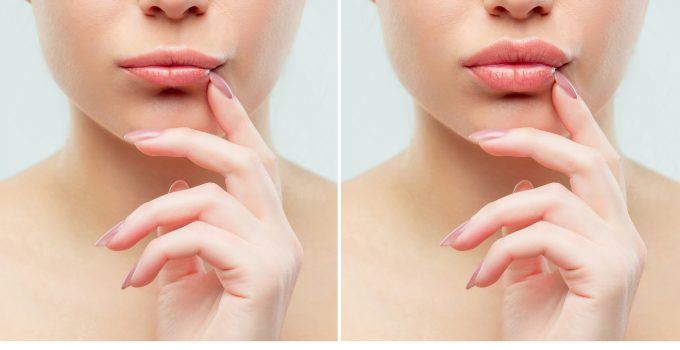
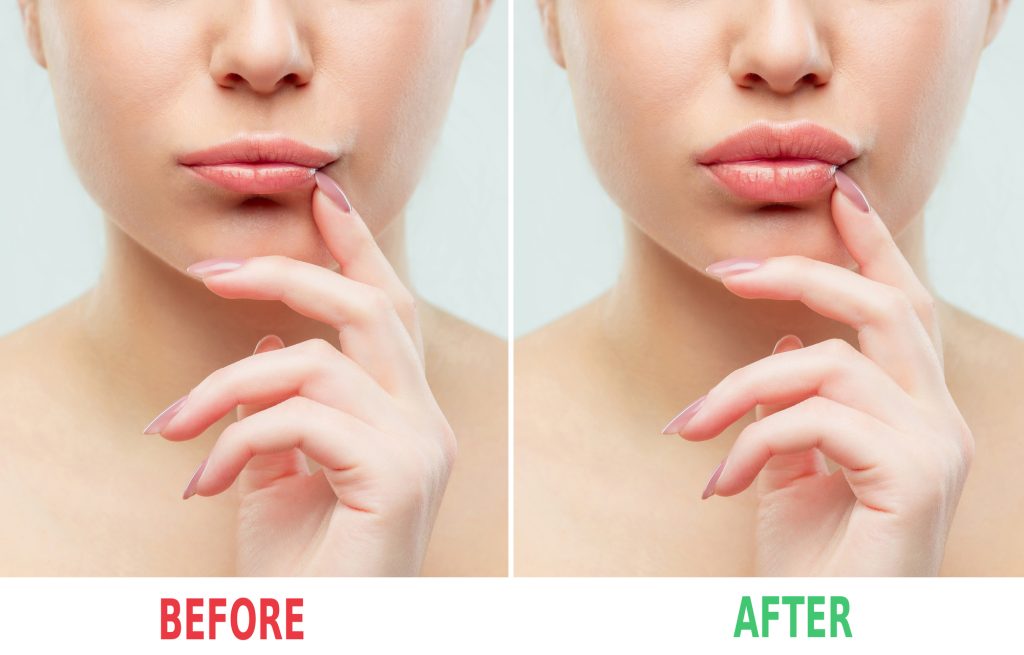
Full, well-defined lips have long been a symbol of youthfulness and allure and are often considered one of the most attractive features of the face. They draw attention, contribute to a balanced facial appearance, and enhance the overall aesthetics of a person’s look. However, as we age, our lips can lose their natural plumpness and definition. Factors like the natural aging process, genetic predispositions, and environmental influences such as sun exposure and smoking can lead to thinner, less voluminous lips over time. Dermal fillers offer a popular and effective solution for those seeking to restore or enhance the volume and shape of their lips, helping to achieve a more youthful and refreshed appearance.

Understanding Dermal Fillers

Injectable dermal fillers can plump up hollow areas, diminish the appearance of fine lines and wrinkles, and sculpt the face to perfection. Hyaluronic acid-based fillers are highly sought-after for lip augmentation. Lips and skin benefit from hyaluronic acid’s ability to retain moisture, as it is a naturally occurring substance in the skin. With little to no downtime and a natural appearance, hyaluronic acid fillers injected into the lips can improve volume, symmetry, and overall shape.

How Dermal Fillers Work

Hyaluronic acid-based dermal fillers work by adding volume beneath the skin. When injected into the lips, these fillers attract and retain water, which helps to maintain a fuller, more hydrated appearance. The procedure typically involves the following steps:

  1. The process begins with a consultation with a qualified practitioner, who will assess your lips and discuss your aesthetic goals. This step is important to ensure that the treatment plan fits your needs and wants.
  2. The lips and the area around them are cleansed before the injections, and a local anaesthetic may be applied to lessen any pain associated with the procedure.
  3. The filler is delicately injected into targeted areas of the lips using a tiny needle to attain the desired shape and volume. The practitioner may massage the lips to even out the filler.
  4. After the procedure, patients may notice some redness, swelling, or bruising; however, these side effects usually go away after a few days. To alleviate these side effects, try applying ice and staying out of the way of physically demanding activities.

Benefits of Dermal Fillers for Lips

Dermal fillers offer several benefits for those looking to enhance their lips:

  1. Natural-Looking Results: Hyaluronic acid fillers provide a soft and natural feel, allowing for subtle enhancements that can be tailored to each individual’s preferences.
  2. Minimal Downtime: The procedure is quick, often completed within 30 minutes to an hour, and requires little to no downtime, making it convenient for those with busy schedules.
  3. Customizable: The amount of filler used can be adjusted to achieve the desired level of fullness, from a slight enhancement to a more dramatic change.
  4. Reversible: If for any reason a patient is unsatisfied with the results, hyaluronic acid fillers can be dissolved with an enzyme called hyaluronidase, making the procedure reversible.
  5. Immediate Results: While some swelling may be present initially, the effects of the fillers are visible immediately after the procedure, allowing patients to enjoy their enhanced lips right away.

Considerations and Risks

While dermal fillers are generally safe, there are some considerations and potential risks to be aware of:

  1. Allergic Reactions: Although rare, some individuals may have an allergic reaction to the filler ingredients.
  2. Bruising and Swelling: Temporary bruising and swelling are common side effects but typically resolve within a few days.
  3. Asymmetry: In some cases, the results may be uneven, requiring additional injections to achieve the desired balance.
  4. Infection: As with any injectable treatment, there is a risk of infection at the injection sites, though this is uncommon when performed by a qualified professional.
  5. Lumpiness: Occasionally, lumps or irregularities may form, which can often be corrected with gentle massage or additional treatment.

Choosing the Right Practitioner

The key to achieving the best results with dermal fillers is choosing a qualified and experienced practitioner. When selecting a provider, consider the following:

  1. Credentials: Ensure the practitioner is a licensed medical professional with specialized training in dermal fillers.
  2. Experience: Look for a provider with extensive experience in lip augmentation and a portfolio of before-and-after photos of previous patients.
  3. Reputation: Read reviews and seek recommendations from trusted sources to find a reputable practitioner.
  4. Consultation: A thorough consultation is essential. The practitioner should listen to your goals, explain the procedure, and discuss potential risks and benefits.

Maintenance and Longevity

Dermal fillers made of hyaluronic acid only provide short-term benefits, usually lasting six months to a year at most. Since the body absorbs the filler over time, you’ll need to get touch-up procedures to keep the volume and contour you want. Make sure your lips stay full and defined by scheduling regular follow-up sessions with your practitioner.

Conclusion

Dermal fillers have revolutionized the approach to lip enhancement, offering a safe, effective, and customizable solution for those seeking plumper lips. By restoring lost volume, enhancing lip contour, and providing hydration, these treatments can rejuvenate the overall appearance of the face and boost self-confidence. Whether you’re looking for a subtle enhancement or a more dramatic transformation, hyaluronic acid-based dermal fillers can help you achieve the lips you’ve always desired. Always consult with a qualified practitioner to ensure the best results and enjoy the benefits of fuller, more youthful-looking lips.


How Many Units of Botox for Masseter Tox?

Botox for masseter tox is an adaptable answer to aesthetic and medical issues.

Botox for masseter tox is an adaptable answer to aesthetic and medical issues.

What Is Masseter Tox?

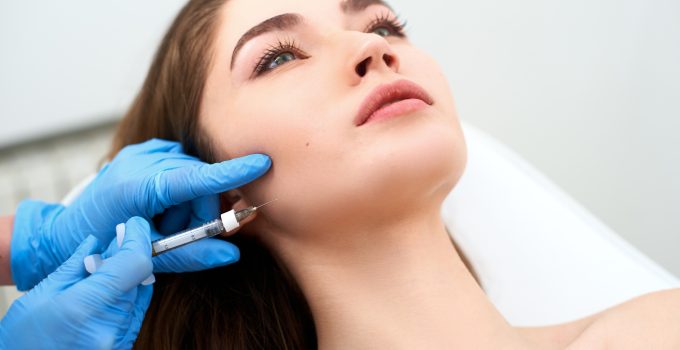
Botulinum toxin (Botox) is injected into the masseter muscles on both sides of the mandibular angle as part of a procedure called masseter tox. This is also known as botulinum toxin therapy for the masseter muscle. These muscles are integral to mastication and clenching. This intervention is pursued for both therapeutic and aesthetic indications. Therapeutically, it ameliorates conditions such as bruxism (nocturnal teeth grinding) and temporomandibular joint dysfunction (TMD), whereas aesthetically, it facilitates mandibular contouring, resulting in a more slender and refined jawline.

How Botox for Masseter Tox Works

The neurotoxin botox, which originates from the bacterium Clostridium botulinum, inhibits the secretion of the neurotransmitter acetylcholine, which is responsible for signaling the contraction of muscles. When injected into the masseter muscles, Botox temporarily relaxes these muscles, reducing their activity. This relaxation alleviates the symptoms of bruxism and TMJ, such as jaw pain and tension headaches, and can also reduce muscle size over time. The aesthetic advantage is a softer, more tapered facial appearance, which is particularly desirable for people with a square jawline due to hypertrophic (enlarged) masseter muscles.

Recommended Units of Botox for Masseter Tox

The number of Botox units required for masseter treatment varies depending on several factors, including the size and strength of the masseter muscles and the desired outcome. Typically, the dosage ranges from 20 to 50 units per side of the face. For first-time patients, doctors often start with a conservative approach, using around 20–25 units per side to assess the patient’s response to the treatment. For those with more extensive or stronger masseter muscles, higher doses, such as 30–50 units per side, may be necessary to achieve the desired effects.

Factors Influencing the Number of Units

Several factors can influence the number of Botox units needed for masseter tox:

  1. Muscle Size and Strength: Larger and stronger masseter muscles require more Botox to achieve effective relaxation. Men, in particular, tend to have larger masseter muscles than women and may need higher doses.
  2. Desired Outcome: The aesthetic goals of the patient play a crucial role. Higher doses may be required for those seeking a noticeable reduction in jaw size and a more V-shaped face.
  3. Previous Treatments: Patients who have previously undergone Botox treatments may require adjustments in their dosage. Repeated treatments can lead to a reduction in muscle mass over time, potentially decreasing the units needed in subsequent sessions.
  4. Metabolism and Muscle Activity: Individual variations in metabolism and muscle activity levels can affect how long Botox lasts and how much is needed.
  5. Medical Conditions: Conditions like bruxism may necessitate higher doses to alleviate symptoms effectively.

What to Expect During Your Treatment

The process of receiving Botox for masseter tox is straightforward and minimally invasive. Here’s what to expect:

  1. Consultation: Before the procedure, you must have a thorough consultation with a competent medical expert. Your medical background, aesthetic goals, and experiences with botulinum toxin treatments will all be thoroughly reviewed during this consultation.
  2. Preparation: On the day of the procedure, the treatment area will be cleaned, and a topical anesthetic may be applied to minimize discomfort.
  3. Injection: The doctor will inject the predetermined units of Botox into specific points of the masseter muscles using a fine needle. The injections are typically quick and relatively painless, often described as a slight pinch.
  4. Post-Treatment Care: After the procedure, you can usually resume normal activities immediately. However, it’s advisable to avoid strenuous exercise, massaging the treated area, and lying down for a few hours post-injection to prevent the Botox from spreading to unintended areas.

Results and Longevity

The effects of Botox for masseter tox typically begin to appear within 1-2 weeks post-treatment. Patients can expect a reduction in muscle size and a softer jawline, with peak results usually visible around 4-6 weeks. For medical conditions like bruxism, relief from symptoms such as jaw pain and teeth grinding may be noticeable within a few days to a week.

The longevity of Botox results varies among individuals but generally lasts between 3 and 6 months. Regular treatments can lead to prolonged effects as the masseter muscles weaken and shrink over time. Consequently, the frequency of treatments may decrease as the desired outcomes are maintained with fewer units of Botox.

Factors Affecting Cost

The cost of Botox for masseter tox can vary widely based on several factors:

  1. Geographic Location: Prices tend to be higher in urban areas and regions with a high cost of living.
  2. Provider’s Expertise: Experienced and reputable practitioners may charge more for their services. It’s crucial to choose a qualified provider to ensure safety and effectiveness.
  3. Number of Units: The total cost is based on the number of Botox units needed, which depends on the patient’s muscle size and treatment objectives.
  4. Clinic or Facility Fees: Additional fees for the use of the clinic or facility where the treatment is performed can also impact the overall cost.
  5. Follow-Up Treatments: Regular follow-up treatments are necessary to maintain the results, contributing to the long-term cost of the procedure.

Is Botox for Masseter Tox Right for You?

Deciding whether Botox for masseter tox is right for you involves considering both medical and aesthetic factors:

  1. Medical Needs: If you suffer from conditions like bruxism or TMJ that have not responded well to other treatments, Botox could provide significant relief from symptoms such as jaw pain, headaches, and tooth wear.Cosmetic Goals: Those seeking to enhance their facial aesthetics by achieving a slimmer, more contoured jawline may find Botox for masseter tox beneficial. It’s particularly popular among individuals with a naturally square or broad jawline due to enlarged masseter muscles.
  2. Health Status: Overall health and medical history should be considered. Botox is generally safe, but individuals with certain neuromuscular disorders or allergies to Botox components should avoid this treatment.
  3. Commitment to Maintenance: Botox is not a permanent solution, and maintaining the results requires regular treatments every few months. Ensure you are prepared for this ongoing commitment.
  4. Seek Advice from an Expert: Seeking advice from an experienced healthcare provider is necessary. They will be able to evaluate your needs, go over the pros and cons of Botox for masseter tox, and offer their professional opinion on the matter.

Conclusion

Botox for masseter tox offers a versatile solution for both medical and cosmetic concerns. Whether you are dealing with the discomfort of bruxism or TMJ or seeking to refine your jawline for a more harmonious facial appearance, this treatment can provide significant benefits. Understanding the recommended units, the factors influencing the dosage, and what to expect during and after the procedure can help you make an informed decision. As always, consulting with an experienced and qualified practitioner is essential to ensure the best possible outcome and determine if Botox for masseter tox aligns with your needs and goals.

The Efficacy and Safety of Botox in Treating Tension-Type Headaches

Botox has many medical uses, including treating chronic tension-type headaches.

Botox has many medical uses, including treating chronic tension-type headaches.

Botox, formally known as Botulinum toxin type A, has established itself as a viable treatment option for various medical conditions, including chronic tension-type headaches. When administered in controlled, low doses and targeted to specific areas, Botox has shown significant efficacy in alleviating headache symptoms, offering sustained relief for many individuals. Despite its origins from a potentially dangerous neurotoxin, the application of Botox in headache management is considered safe under appropriate medical supervision.

Mechanism of Action

Botox exerts its therapeutic effects on tension-type headaches primarily through the inhibition of acetylcholine release at the neuromuscular junction. By blocking the release of this neurotransmitter, Botox induces a temporary paralysis of the affected muscles, leading to muscle relaxation. This mechanism is particularly beneficial in treating tension-type headaches, which are often attributed to sustained muscle contractions in the head, neck, and shoulder regions. The relaxation of these muscles can reduce the frequency and severity of headache episodes, providing long-lasting relief for patients.

Clinical Evidence

Several clinical studies have demonstrated the efficacy of Botox in reducing the frequency and intensity of tension-type headaches. Patients receiving Botox injections report a marked improvement in their symptoms, with many experiencing significant reductions in headache days per month. The duration of relief varies, but the effects of Botox can last for several months, necessitating periodic follow-up treatments to maintain symptom control. These studies underscore the potential of Botox as a long-term solution for individuals suffering from chronic tension-type headaches.

Safety Profile

The safety profile of Botox in the treatment of headaches is well-documented. When administered by trained healthcare professionals, the risk of adverse effects is minimal. The localized nature of Botox injections ensures that the toxin remains confined to the targeted area, thereby reducing the risk of systemic toxicity. The dosages used for headache treatment are substantially lower than those that could pose a risk of botulism, making Botox a safe option for patients under proper medical supervision.

Administration and Dosage

The administration of Botox for headache relief involves precise injection techniques to target the specific muscles involved in tension headaches. Typically, multiple injection sites are used, including the forehead, temples, back of the head, and neck. The dosage is carefully calibrated to achieve the desired therapeutic effect without causing undue muscle weakness. The initial treatment may involve a series of injections, with follow-up sessions scheduled every three to six months to maintain efficacy.

Patient Selection and Considerations

Not all patients with tension-type headaches are ideal candidates for Botox treatment. A thorough evaluation by a healthcare professional is necessary to determine the suitability of Botox for each individual. Factors such as the severity and frequency of headaches, response to other treatments, and overall health status are considered. Patients with certain neuromuscular disorders or allergies to botulinum toxin should avoid Botox treatment. Informed consent and a clear discussion of potential risks and benefits are essential components of the pre-treatment assessment.

Potential Side Effects

While Botox is generally safe, some patients may experience side effects, typically localized and mild. Common side effects include pain at the injection site, bruising, and transient muscle weakness. In rare cases, patients may experience flu-like symptoms, headaches, or eyelid drooping. These side effects are usually temporary and resolve without the need for further intervention. Patients are advised to report any unusual or persistent symptoms to their healthcare provider promptly.

Comparative Effectiveness

Botox is one of several treatment options for tension-type headaches, and its effectiveness can be compared with other therapeutic modalities such as oral medications, physical therapy, and lifestyle modifications. While oral medications provide quick relief for acute headache episodes, they may not be suitable for long-term management due to potential side effects and the risk of medication overuse headaches. Physical therapy and lifestyle changes, such as stress management and ergonomic adjustments, can complement Botox treatment, offering a holistic approach to headache management.

Future Directions and Research

Ongoing research continues to explore the broader applications of Botox in headache management and other pain conditions. Advances in understanding the pathophysiology of tension-type headaches may lead to more targeted and effective treatment protocols. Additionally, studies investigating the long-term safety and efficacy of Botox will further solidify its role in chronic headache management. Patient education and awareness are also crucial in ensuring that individuals seek timely and appropriate treatment for their headache symptoms.

Conclusion

Botox has emerged as a safe and effective treatment for chronic tension-type headaches when administered in low, controlled doses by qualified medical professionals. Its ability to relax the muscles involved in headache pathogenesis provides long-lasting relief and improves the quality of life for many patients. Despite its origin as a potent neurotoxin, the localized application and minimal dosage make Botox a viable and safe option for headache management under proper medical supervision. As research progresses, the role of Botox in headache treatment is likely to expand, offering hope to those afflicted by chronic tension-type headaches.

13 Unexpected Medical Applications of Botox: Going Above and Beyond Wrinkle Reduction

Botox injections manage hyperhidrosis by blocking impulses that trigger sweat glands.

Botox injections manage hyperhidrosis by blocking impulses that trigger sweat glands.

Botox, short for Botulinum toxin, has long been associated with its cosmetic applications, particularly in reducing wrinkles and fine lines. However, what many people may not realize is that Botox has a wide range of medical uses beyond its cosmetic benefits. From treating migraines to managing overactive bladders, Botox has proven to be a versatile tool in the hands of medical professionals. This article delves into 13 surprising medical uses for Botox, highlighting its efficacy and expanding our understanding of its potential beyond aesthetics.

1. Chronic Migraine Management

Chronic migraines can significantly impact one’s quality of life, leading to debilitating pain and discomfort. The use of Botox injections has recently become a popular method for treating chronic migraines, providing sufferers with much-needed relief. By targeting specific muscles involved in headache initiation, Botox helps alleviate migraine symptoms and reduce the frequency of attacks, providing much-needed relief for patients.

2. Hyperhidrosis Treatment

People who suffer from hyperhidrosis, also known as excessive sweating, may find it embarrassing and uncomfortable. By obstructing impulses that trigger the sweat glands, Botox injections are a great way to manage hyperhidrosis. People whose underarms, palms, or feet perspire excessively or who have not found relief from prior therapies may greatly benefit from this intervention.

3. Overactive Bladder Management

Overactive bladder (OAB) is characterized by a frequent and sudden urge to urinate, often leading to urinary incontinence. Botox injections into the bladder muscle can help alleviate symptoms of OAB by relaxing the muscle and reducing bladder contractions. This approach is beneficial for patients who have not responded to or cannot tolerate other OAB treatments.

4. Temporomandibular Joint Disorder (TMJ) Relief

Jaw pain, stiffness, and trouble chewing are symptoms of temporomandibular joint dysfunction (TMJ), which can affect everyday life and general health. Botox injections can alleviate TMJ symptoms by easing tension in the jaw muscles. Regarding TMJ pain and dysfunction, this treatment option provides a non-invasive way to alleviate symptoms and restore jaw function.

5. Chronic Neck and Shoulder Pain Reduction

Chronic neck and shoulder pain can result from various factors, including muscle tension and repetitive strain injuries. Botox injections target specific muscles in the neck and shoulders, temporarily paralyzing them to reduce pain and improve range of motion. This approach is particularly beneficial for individuals who have not achieved adequate pain relief with other therapies.

6. Strabismus Correction

Strabismus, commonly known as crossed eyes or squints, occurs when the eyes are misaligned and do not point in the same direction. Botox injections can be used to weaken specific eye muscles, allowing proper alignment and correcting the appearance of strabismus. This non-invasive treatment approach offers improved cosmetic outcomes and may prevent the need for surgical intervention in some cases.

7. Hemifacial Spasm Management

Hemifacial spasm is characterized by involuntary contractions or twitching of the facial muscles on one side of the face, leading to facial asymmetry and discomfort. Botox injections can help manage hemifacial spasms by blocking nerve signals responsible for muscle contraction. This treatment effectively reduces muscle spasms and improves facial symmetry, enhancing the patient’s quality of life.

8. Vocal Cord Dysfunction Treatment

Vocal cord dysfunction (VCD) can cause breathing difficulties, voice changes, and throat discomfort due to abnormal vocal cord movement. Botox injections into the vocal cords can help relax the muscles and improve airflow, reducing VCD symptoms and enhancing vocal function. This treatment option is particularly beneficial for individuals with refractory VCD who have not responded to other therapies.

9. Excessive Drooling (Sialorrhea) Control

Excessive drooling, or sialorrhea, can be a challenging symptom to manage, especially in individuals with neurological conditions such as cerebral palsy or Parkinson’s disease. Botox injections into the salivary glands can help reduce saliva production and control excessive drooling, improving comfort and minimizing the social stigma associated with this condition.

10. Chronic Pelvic Pain Relief

Chronic pelvic pain, often associated with conditions such as endometriosis or pelvic floor dysfunction, can significantly impact a person’s quality of life and mental well-being. Botox injections into pelvic floor muscles can help alleviate pelvic pain by reducing muscle spasms and improving pelvic floor function. This approach offers a targeted treatment option for individuals with refractory pelvic pain.

11. Erectile Dysfunction Management

Erectile dysfunction (ED) can have physical and psychological causes, affecting sexual function and intimacy. Botox injections into the muscles surrounding the penis can improve blood flow and tissue oxygenation, potentially enhancing erectile function. This novel approach to ED management shows promise in select patient populations, offering an alternative or adjunctive therapy to traditional treatments.

12. Bruxism (Teeth Grinding) Control

Bruxism, or teeth grinding, can lead to dental problems, jaw pain, and muscle tension, particularly during sleep. Botox injections into the jaw muscles can help relax the muscles involved in bruxism, reduce tooth wear, and alleviate associated symptoms. This treatment option offers relief for individuals struggling with bruxism-related complications.

13. Post-Stroke Spasticity Reduction

Stroke survivors often experience spasticity characterized by muscle stiffness, involuntary contractions, and impaired movement control. Botox injections can help manage post-stroke spasticity by targeting specific muscles, reducing muscle tone, and improving functional outcomes. This approach complements rehabilitation efforts and enhances the recovery process for stroke survivors.

Conclusion

Beyond its well-known cosmetic applications, Botox demonstrates remarkable versatility in addressing various medical conditions across different specialties. From chronic migraines to post-stroke spasticity, Botox offers effective relief for patients experiencing a wide range of symptoms and challenges. As researchers continue to explore its therapeutic potential, Botox remains a valuable tool in modern medicine, reshaping our understanding of its applications and expanding treatment options for diverse patient populations.

Exploring Botox Training for Nurses: A Promising Career Avenue

Botox training for nurses provides comprehensive education and hands-on experience in administering Botox injections.

Botox training for nurses provides comprehensive education and hands-on experience in administering Botox injections.

In recent years, the field of aesthetic medicine has witnessed significant growth, with an increasing demand for non-surgical cosmetic procedures. Among these procedures, Botox injections have emerged as a popular choice for individuals seeking to address facial wrinkles and fine lines. While traditionally administered by physicians, there is a growing trend towards expanding the scope of practice to include trained nurses. This article delves into the potential benefits of Botox training for nurses as a viable career path within the realm of aesthetic medicine.

The Role of Nurses in Aesthetic Medicine

Nurses play a crucial role in the delivery of healthcare services, providing patient care across various medical specialties. In the field of aesthetic medicine, nurses are uniquely positioned to contribute their clinical expertise and patient-centered approach to cosmetic procedures. With their comprehensive understanding of anatomy, physiology, and patient safety protocols, nurses possess the necessary skills to administer Botox injections safely and effectively under appropriate supervision.

Botox Training for Nurses

Botox training programs tailored for nurses offer comprehensive education and hands-on experience in the administration of Botox injections. These programs cover essential topics such as facial anatomy, injection techniques, patient assessment, and adverse event management. By completing Botox training, nurses acquire the knowledge and proficiency required to deliver high-quality aesthetic care and enhance patient satisfaction.

Benefits of Botox Training for Nurses

  1. Expanded Scope of Practice: Botox training empowers nurses to expand their scope of practice and take on new roles within the field of aesthetic medicine. With proper training and certification, nurses can independently perform Botox injections, providing patients with access to safe and convenient cosmetic treatments.
  2. Career Advancement Opportunities: Botox training opens doors to diverse career opportunities for nurses, including positions in medical spas, cosmetic clinics, dermatology practices, and plastic surgery centers. By adding Botox injection skills to their repertoire, nurses can pursue rewarding career paths and enhance their professional development.
  3. Increased Earning Potential: With the growing demand for Botox injections, nurses trained in aesthetic procedures can command higher salaries and supplemental income streams. By offering Botox services as part of their practice, nurses can capitalize on the lucrative nature of the aesthetic market and boost their earning potential.
  4. Enhanced Patient Care Experience: Botox-trained nurses are equipped to deliver personalized care and aesthetic solutions tailored to each patient’s unique needs and preferences. By fostering trusting relationships and providing comprehensive support throughout the treatment process, nurses contribute to positive patient experiences and satisfaction outcomes.
  5. Collaboration with Healthcare Providers: Botox-trained nurses collaborate closely with physicians and other healthcare providers to ensure optimal patient outcomes and safety standards. By working as part of a multidisciplinary team, nurses contribute their specialized expertise in aesthetic nursing and assist in delivering holistic care to patients.

Challenges and Considerations

While Botox training presents promising career prospects for nurses, there are several challenges and considerations to be mindful of:

  1. Regulatory and Legal Requirements: Nurses must adhere to state regulations and legal guidelines governing the practice of aesthetic medicine, including scope of practice limitations and supervision requirements. It is essential for nurses to stay informed about licensing requirements and practice within the scope of their credentials.
  2. Continuing Education and Skill Development: To maintain competency and stay abreast of advancements in aesthetic medicine, Botox-trained nurses should pursue ongoing education and skill development opportunities. Participating in continuing education programs and advanced training courses allows nurses to refine their expertise and offer state-of-the-art treatments to patients.
  3. Patient Safety and Risk Management: Patient safety is paramount in aesthetic practice, and nurses must prioritize adherence to safety protocols and risk management strategies when administering Botox injections. Thorough patient assessments, informed consent procedures, and vigilant monitoring of treatment outcomes are essential components of safe practice.
  4. Ethical Considerations: Nurses must uphold ethical standards and professional integrity when providing aesthetic services to patients. This includes maintaining confidentiality, respecting patient autonomy, and practicing within the boundaries of ethical guidelines established by professional nursing organizations.

Conclusion

Botox training for nurses represents a promising avenue for career advancement and professional growth within the field of aesthetic medicine. By acquiring specialized skills in Botox administration, nurses can expand their scope of practice, pursue diverse career opportunities, and enhance patient care experiences. While there are challenges to navigate, the benefits of Botox training for nurses outweigh the potential obstacles, positioning them as valuable contributors to the rapidly evolving landscape of aesthetic healthcare.

Exploring the Long-Term Effects of Botox Treatments: What You Need to Know

In recent years, Botox treatments have become popular for minimizing wrinkles and looking younger.

In recent years, Botox treatments have become popular for minimizing wrinkles and looking younger.

In recent years, Botox treatments have surged in popularity as a go-to solution for reducing wrinkles and achieving a more youthful appearance. While these injections are widely celebrated for their immediate effects, questions persist about their long-term safety and efficacy. As more individuals opt for repeated Botox treatments, it becomes increasingly essential to delve into the potential long-term consequences and determine the optimal frequency for administration. In this comprehensive guide, we’ll explore the safety of repeated Botox treatments, delve into their possible long-term effects, and address the crucial question: how often should you really get Botox?

Are repeated Botox treatments safe?

Botox, derived from the bacterium Clostridium botulinum, works by temporarily paralyzing muscles, thereby reducing the appearance of wrinkles and fine lines. In most cases, Botox injections given by a qualified medical professional are safe and effective. However, concerns arise when considering the implications of repeated treatments over an extended time.

Research on the long-term safety of repeated Botox injections is ongoing, but thus far, studies have yielded promising results. A long-term study published in the Journal of Cosmetic Dermatology found that regular Botox treatments over several years were well-tolerated and did not result in significant adverse effects. Participants in the study reported high levels of satisfaction with their long-term results, indicating that repeated treatments were both safe and beneficial.

Nevertheless, it’s essential to recognize that adverse reactions to Botox can occur, albeit rarely. These may include temporary bruising, swelling, or muscle weakness at the injection site. In sporadic cases, more severe complications, such as allergic reactions or unintended muscle paralysis, can occur. To minimize risks, it’s crucial to seek treatment from a qualified healthcare provider who has extensive experience administering Botox injections.

Potential Long-Term Effects of Repeated Botox Treatments

While Botox is celebrated for its ability to smooth wrinkles and rejuvenate the skin, questions linger about its potential long-term effects on both physical and psychological health. Some experts speculate that repeated injections could lead to muscle atrophy or a weakening of facial muscles over time. However, existing research suggests that these concerns may be unfounded.

A study examined the long-term effects of Botox injections on facial muscles. The researchers found no evidence of muscle atrophy or structural changes in individuals who received regular Botox treatments over a five-year period. Instead, participants maintained natural facial expressions and muscle function, indicating that repeated injections did not cause lasting damage.

In terms of psychological effects, some individuals worry that reliance on Botox for maintaining a youthful appearance could lead to body dysmorphic tendencies or a diminished sense of self-esteem. While these concerns are valid, there is only limited empirical evidence to support them. A study published in Dermatologic Surgery found that Botox users experienced improvements in self-esteem and quality of life following treatment, suggesting that the psychological benefits may outweigh any potential risks.

How Often Should You Really Get Botox?

The optimal frequency of Botox treatments varies depending on individual factors such as age, skin type, and desired outcomes. While some individuals may prefer more frequent injections to maintain a consistently smooth appearance, others may opt for a less frequent schedule to allow for more natural facial movement.

Most healthcare providers recommend scheduling Botox treatments every three to four months to maintain optimal results. This interval allows for the gradual wearing off of the previous injection while minimizing the risk of over-treatment. However, some individuals may find that they can extend the time between treatments with consistent use, as the effects of Botox may last longer with repeated injections.

Ultimately, the decision about how often to get Botox should be based on individual preferences and goals. It’s essential to communicate openly with your healthcare provider about your expectations and concerns in order to develop a personalized treatment plan that aligns with your needs.

In conclusion, repeated Botox treatments are generally considered safe and effective for reducing wrinkles and achieving a more youthful appearance. While concerns about long-term effects persist, current research suggests that Botox injections are well-tolerated over time and do not cause significant adverse effects on muscle function or psychological well-being. To ensure the safest and most satisfactory outcomes, it’s crucial to seek treatment from a qualified healthcare provider and discuss your goals and concerns openly. By doing so, you can enjoy the benefits of Botox with confidence and peace of mind.

Ensuring Safe Botox Injections: How to Verify Certification and Authenticity

Ensure the injector has had the specialized training and certification for administering Botox injections.

Ensure the injector has had specialized training and certification for administering Botox injections.

In the pursuit of youthful skin and aesthetic enhancements, Botox injections have emerged as a popular choice for many individuals. However, ensuring the safety and efficacy of these procedures requires careful consideration of the injector’s certification and the authenticity of the product used. In this comprehensive guide, we’ll explore how to verify that your Botox injector is certified and using FDA-approved products, while also highlighting red flags to watch out for during the process.

How to Ensure You’re Seeing a Certified Injector

  1. Research Credentials: Before scheduling an appointment for Botox injections, conduct thorough research on the credentials and qualifications of the injector. Look for healthcare professionals who are certified to administer Botox treatments, such as dermatologists, plastic surgeons, or licensed medical aestheticians.
  2. Check Certification: Verify that the injector has received proper training and certification specifically for Botox injections. This may include the completion of accredited courses or programs focused on cosmetic injectables. You can inquire about their certification during the consultation or check their credentials on professional association websites.
  3. Ask for Recommendations: Seek recommendations from trusted sources, such as friends, family members, or healthcare professionals, who have had positive experiences with Botox injections. Personal referrals can provide valuable insights into the competence and professionalism of the injector.
  4. Review Before-and-After Photos: Request to see before-and-after photos of previous Botox patients treated by the injector. This allows you to assess the quality of their work and determine if their aesthetic style aligns with your preferences. Reputable injectors typically have a portfolio of their past work available for review.

How to Ensure Your Injector Uses an FDA-Approved Product

  1. Inquire About Product Brand: Before undergoing Botox treatment, ask the injector about the brand of botulinum toxin they use. Ensure that they exclusively use FDA-approved Botox products, such as Botox Cosmetic, Dysport, or Xeomin. These products have undergone rigorous testing and approval processes to ensure safety and efficacy.
  2. Verify Product Authenticity: Request to see the packaging and vial of the Botox product being used for your treatment. Authentic Botox products should have intact packaging with clearly printed labels, including the brand name, lot number, and expiration date. Check for any signs of tampering or discrepancies in labelling, which may indicate counterfeit or expired products.
  3. Ask About Storage and Handling: Inquire about the storage and handling practices employed by the injector to maintain the integrity of the Botox product. Proper storage at controlled temperatures is crucial to preserving the potency and efficacy of the botulinum toxin. Ensure that the injector adheres to the manufacturer’s recommended storage guidelines.
  4. Seek Transparency: A reputable injector will be transparent about the source of their Botox product and willingly provide information about its authenticity and compliance with regulatory standards. If the injector hesitates or fails to provide clear answers regarding the product’s origin and certification, consider it a red flag and proceed with caution.

Red Flags to Look For When Getting Botulinum Toxin Injections

  1. Unlicensed Practitioners: Avoid receiving Botox injections from unlicensed practitioners or individuals lacking proper medical training and certification. Only licensed healthcare professionals with expertise in facial anatomy and cosmetic procedures should administer injectable treatments.
  2. Unsanitary Conditions: Pay attention to the cleanliness and hygiene of the injector’s facility or treatment room. Reputable providers adhere to strict infection control protocols and maintain clean and sanitary environments to minimize the risk of complications.
  3. Pressure Sales Tactics: Beware of injectors who employ aggressive sales tactics or pressure you into undergoing additional treatments or purchasing unnecessary products. A trustworthy injector will prioritize your safety and well-being, providing honest recommendations based on your individual needs and goals.
  4. Unrealistic Promises: Exercise caution if the injector makes unrealistic promises or guarantees regarding the outcomes of Botox treatment. While Botox can yield significant improvements in facial appearance, it’s essential to manage expectations and understand that results may vary from person to person.
  5. Lack of Follow-Up Care: Ensure that the injector offers comprehensive follow-up care and support following the Botox treatment. This may include post-treatment instructions, scheduled follow-up appointments, and accessibility for addressing any concerns or complications that may arise.

In conclusion, ensuring the safety and efficacy of Botox injections hinges on selecting a certified injector who uses FDA-approved products. By following the guidelines outlined above and remaining vigilant for red flags, you can confidently navigate the process of choosing a qualified injector and safeguarding your health and well-being during Botox treatment. Remember to prioritize safety, transparency, and professionalism when selecting an injector, and don’t hesitate to seek second opinions or clarification on any concerns you may have. Expert care and well-informed decisions should guide your path to youthful, rejuvenated skin.

Comparing Neurotoxins with Dermal Fillers for Aesthetic Purposes

Neurotoxins like Botox and dermal fillers are becoming essential cosmetic medicine techniques for facial rejuvenation.

In the landscape of cosmetic medicine, the pursuit of youthful appearance and facial rejuvenation is unceasing, with neurotoxins like Botox and dermal fillers emerging as integral tools for medical practitioners. While often discussed interchangeably, these treatments possess distinctive mechanisms, applications, and durations of effectiveness. Understanding these nuances is crucial for both professionals and patients navigating the realm of facial aesthetic enhancement. In this comprehensive discussion, we delve into the multifaceted domain of neurotoxins and dermal fillers, elucidating their intricacies from a medical perspective.

Neurotoxins: Paralyzing Dynamic Wrinkles at Their Core

Mechanism of Action

Neurotoxins, such as Botox, harness the potency of Clostridium botulinum to selectively inhibit acetylcholine release at the neuromuscular junctions. This interference halts nerve signal transmission to targeted muscles, resulting in temporary paralysis or relaxation. Specifically, neurotoxins disrupt action potential propagation in motor neurons, preventing muscle contraction.

Common Uses

The therapeutic efficacy of neurotoxins primarily lies in their capacity to alleviate dynamic wrinkles—those formed by repetitive muscle contractions. Notable treatment areas include the glabellar region (frown lines), lateral canthal lines (crow’s feet), and the forehead (horizontal lines). Additionally, neurotoxins find utility in managing hyperhidrosis, migraine prophylaxis, and muscle spasticity.

Duration of Results

Despite their effectiveness, the effects of neurotoxin injections are transient, typically lasting for three to six months. As neuronal function gradually restores and synaptic vesicles regenerate, muscular activity resumes, necessitating periodic re-administration to sustain the desired aesthetic outcome.

Dermal Fillers: Crafting Facial Contours through Subcutaneous Volume

Mechanism of Action

Dermal fillers operate on a different paradigm, focusing on volumetric augmentation of subcutaneous tissue. These injectable substances, which may include hyaluronic acid, calcium hydroxylapatite, poly-L-lactic acid, and polymethylmethacrylate, are strategically placed beneath the skin’s surface to restore volume, fill wrinkles, and sculpt facial features.

Common Uses

Dermal fillers offer versatility in facial rejuvenation by addressing static wrinkles and enhancing facial contours. Target areas encompass the lips, cheeks, chin, temple hollows, and nasolabial folds. Additionally, fillers are employed in non-facial regions like hand rejuvenation and earlobe volumization.

Duration of Results

The duration of dermal filler outcomes varies based on factors such as filler type, formulation, injection technique, and patient characteristics. Hyaluronic acid fillers typically last six to eighteen months, while semi-permanent or permanent fillers may provide results lasting several years.

Comparative Analysis: Neurotoxins vs. Dermal Fillers

Targeted Indications

Neurotoxins and dermal fillers serve complementary yet distinct roles in facial rejuvenation. While neurotoxins target dynamic wrinkles by paralyzing hyperactive muscles, dermal fillers restore lost volume and sculpt facial contours. A comprehensive approach often integrates both modalities for harmonious facial rejuvenation.

Injection Technique

The injection technique for neurotoxins involves precise targeting of specific muscles with small, intramuscular injections. Dermal fillers, on the other hand, employ various techniques, such as linear threading and serial puncture, tailored to the desired outcome and anatomical considerations.

Duration of Action

Neurotoxins offer temporary paralysis of targeted muscles, necessitating re-administration every three to six months. In contrast, dermal fillers provide longer-lasting results, with durations ranging from months to years, depending on filler type and individual patient factors.

Safety Profile

Both neurotoxins and dermal fillers demonstrate a favorable safety profile when administered by trained professionals. However, adverse events such as injection site reactions and rare instances of vascular compromise may occur. Diligent patient selection and adherence to best practices mitigate these risks.

Conclusion

In conclusion, neurotoxins and dermal fillers serve as indispensable tools in facial rejuvenation, each offering unique benefits. Understanding their differences, including mechanisms, applications, and durations of effectiveness, empowers medical practitioners to devise tailored treatment plans. Through a collaborative approach grounded in expertise, patients can embark on their aesthetic journey confidently, knowing their goals for facial rejuvenation are in capable hands.