


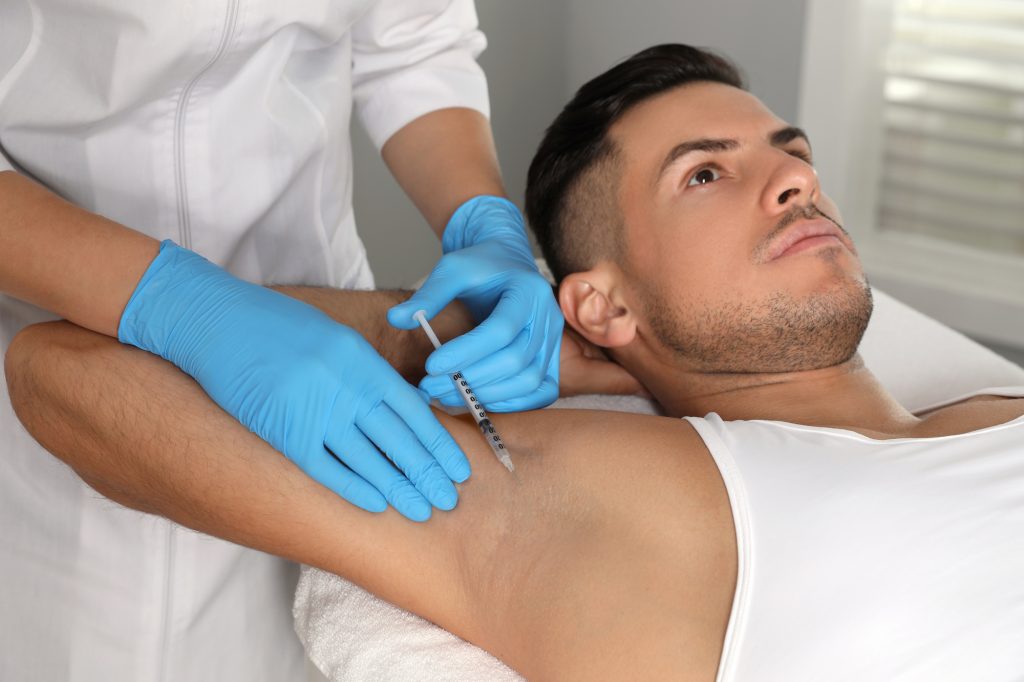
Botox injections manage hyperhidrosis by blocking impulses that trigger sweat glands.
Botox, short for Botulinum toxin, has long been associated with its cosmetic applications, particularly in reducing wrinkles and fine lines. However, what many people may not realize is that Botox has a wide range of medical uses beyond its cosmetic benefits. From treating migraines to managing overactive bladders, Botox has proven to be a versatile tool in the hands of medical professionals. This article delves into 13 surprising medical uses for Botox, highlighting its efficacy and expanding our understanding of its potential beyond aesthetics.
1. Chronic Migraine Management
Chronic migraines can significantly impact one’s quality of life, leading to debilitating pain and discomfort. The use of Botox injections has recently become a popular method for treating chronic migraines, providing sufferers with much-needed relief. By targeting specific muscles involved in headache initiation, Botox helps alleviate migraine symptoms and reduce the frequency of attacks, providing much-needed relief for patients.
2. Hyperhidrosis Treatment
People who suffer from hyperhidrosis, also known as excessive sweating, may find it embarrassing and uncomfortable. By obstructing impulses that trigger the sweat glands, Botox injections are a great way to manage hyperhidrosis. People whose underarms, palms, or feet perspire excessively or who have not found relief from prior therapies may greatly benefit from this intervention.
3. Overactive Bladder Management
Overactive bladder (OAB) is characterized by a frequent and sudden urge to urinate, often leading to urinary incontinence. Botox injections into the bladder muscle can help alleviate symptoms of OAB by relaxing the muscle and reducing bladder contractions. This approach is beneficial for patients who have not responded to or cannot tolerate other OAB treatments.
4. Temporomandibular Joint Disorder (TMJ) Relief
Jaw pain, stiffness, and trouble chewing are symptoms of temporomandibular joint dysfunction (TMJ), which can affect everyday life and general health. Botox injections can alleviate TMJ symptoms by easing tension in the jaw muscles. Regarding TMJ pain and dysfunction, this treatment option provides a non-invasive way to alleviate symptoms and restore jaw function.
5. Chronic Neck and Shoulder Pain Reduction
Chronic neck and shoulder pain can result from various factors, including muscle tension and repetitive strain injuries. Botox injections target specific muscles in the neck and shoulders, temporarily paralyzing them to reduce pain and improve range of motion. This approach is particularly beneficial for individuals who have not achieved adequate pain relief with other therapies.
6. Strabismus Correction
Strabismus, commonly known as crossed eyes or squints, occurs when the eyes are misaligned and do not point in the same direction. Botox injections can be used to weaken specific eye muscles, allowing proper alignment and correcting the appearance of strabismus. This non-invasive treatment approach offers improved cosmetic outcomes and may prevent the need for surgical intervention in some cases.
7. Hemifacial Spasm Management
Hemifacial spasm is characterized by involuntary contractions or twitching of the facial muscles on one side of the face, leading to facial asymmetry and discomfort. Botox injections can help manage hemifacial spasms by blocking nerve signals responsible for muscle contraction. This treatment effectively reduces muscle spasms and improves facial symmetry, enhancing the patient’s quality of life.
8. Vocal Cord Dysfunction Treatment
Vocal cord dysfunction (VCD) can cause breathing difficulties, voice changes, and throat discomfort due to abnormal vocal cord movement. Botox injections into the vocal cords can help relax the muscles and improve airflow, reducing VCD symptoms and enhancing vocal function. This treatment option is particularly beneficial for individuals with refractory VCD who have not responded to other therapies.
9. Excessive Drooling (Sialorrhea) Control
Excessive drooling, or sialorrhea, can be a challenging symptom to manage, especially in individuals with neurological conditions such as cerebral palsy or Parkinson’s disease. Botox injections into the salivary glands can help reduce saliva production and control excessive drooling, improving comfort and minimizing the social stigma associated with this condition.
10. Chronic Pelvic Pain Relief
Chronic pelvic pain, often associated with conditions such as endometriosis or pelvic floor dysfunction, can significantly impact a person’s quality of life and mental well-being. Botox injections into pelvic floor muscles can help alleviate pelvic pain by reducing muscle spasms and improving pelvic floor function. This approach offers a targeted treatment option for individuals with refractory pelvic pain.
11. Erectile Dysfunction Management
Erectile dysfunction (ED) can have physical and psychological causes, affecting sexual function and intimacy. Botox injections into the muscles surrounding the penis can improve blood flow and tissue oxygenation, potentially enhancing erectile function. This novel approach to ED management shows promise in select patient populations, offering an alternative or adjunctive therapy to traditional treatments.
12. Bruxism (Teeth Grinding) Control
Bruxism, or teeth grinding, can lead to dental problems, jaw pain, and muscle tension, particularly during sleep. Botox injections into the jaw muscles can help relax the muscles involved in bruxism, reduce tooth wear, and alleviate associated symptoms. This treatment option offers relief for individuals struggling with bruxism-related complications.
13. Post-Stroke Spasticity Reduction
Stroke survivors often experience spasticity characterized by muscle stiffness, involuntary contractions, and impaired movement control. Botox injections can help manage post-stroke spasticity by targeting specific muscles, reducing muscle tone, and improving functional outcomes. This approach complements rehabilitation efforts and enhances the recovery process for stroke survivors.
Conclusion
Beyond its well-known cosmetic applications, Botox demonstrates remarkable versatility in addressing various medical conditions across different specialties. From chronic migraines to post-stroke spasticity, Botox offers effective relief for patients experiencing a wide range of symptoms and challenges. As researchers continue to explore its therapeutic potential, Botox remains a valuable tool in modern medicine, reshaping our understanding of its applications and expanding treatment options for diverse patient populations.