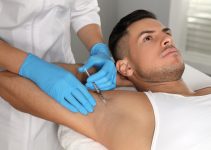



By inhibiting muscle contractions, Botox minimizes dynamic wrinkles from facial expressions like frowning, squinting, or smiling.
Botulinum toxin type A, commonly known by its commercial name Botox, has gained significant popularity as a non-surgical aesthetic treatment for mitigating the appearance of wrinkles and fine lines. Traditionally, Botox has been utilized primarily by older adults seeking to reduce the visible signs of aging. However, an emerging trend involves the use of Botox as a preventative measure in younger individuals, specifically those in their 20s and 30s. This article explores the efficacy, underlying mechanisms, and potential implications of preventative Botox in young adults.
Mechanism of Action
Botox works by temporarily inhibiting the release of acetylcholine at the neuromuscular junction, leading to a reversible paralysis of the targeted muscles. By preventing muscle contractions, Botox effectively reduces the formation of dynamic wrinkles, which are lines that appear due to facial movements such as frowning, squinting, or smiling. Over time, these dynamic wrinkles can become static, persisting even when the face is at rest. The preventative application of Botox aims to halt this progression by minimizing the repetitive muscle activity that leads to wrinkle formation.
Efficacy of Preventative Botox
The rationale behind preventative Botox is to delay or even prevent the onset of static wrinkles. Clinical studies and anecdotal evidence suggest that regular Botox treatments in younger adults can indeed reduce the likelihood of developing deep, etched-in lines as they age.
- Reduction of Dynamic Wrinkles: By administering Botox before dynamic wrinkles have a chance to evolve into static ones, individuals can maintain smoother skin for a longer period. Research indicates that early intervention can result in a more youthful appearance, with reduced necessity for more invasive procedures later in life.
- Collagen Preservation: Muscle contractions contribute to the breakdown of collagen and elastin in the skin. By mitigating these contractions, Botox helps preserve the structural integrity of the skin, promoting its elasticity and resilience.
- Habit Modification: Preventative Botox can also alter facial movement patterns, encouraging individuals to use their facial muscles in ways that are less likely to cause wrinkles. Over time, this can lead to more permanent changes in muscle activity, further reducing wrinkle formation.
Considerations and Risks
Despite the potential benefits, several considerations must be addressed when contemplating preventative Botox in young adults.
- Appropriate Candidates: Not all individuals in their 20s and 30s are ideal candidates for preventative Botox. A thorough consultation with a qualified dermatologist or plastic surgeon is essential to assess skin type, muscle activity, and genetic predisposition to wrinkle formation.
- Frequency and Dosage: The frequency and dosage of Botox injections must be carefully calibrated. Overuse can lead to muscle atrophy, an unnatural appearance, or resistance to the toxin. Typically, treatments are administered every 3 to 6 months, with adjustments based on individual response and aesthetic goals.
- Cost Considerations: Regular Botox treatments can be expensive, and individuals should weigh the long-term financial commitment against the anticipated benefits. Preventative Botox is a recurrent expense, and the cumulative cost over several decades can be substantial.
- Potential Side Effects: While Botox is generally safe when administered by experienced professionals, potential side effects include bruising, swelling, headaches, and, in rare cases, ptosis (drooping of the eyelids). Understanding these risks is crucial for informed consent.
Psychological and Social Implications
The increasing popularity of preventative Botox also has psychological and social dimensions. The pressure to maintain a youthful appearance can contribute to body dysmorphic disorder and other mental health issues. It is essential to foster realistic expectations and promote a healthy relationship with one’s appearance.
Ethical Considerations
The ethics of promoting aesthetic procedures to young adults are complex. Medical professionals must balance the desire for profit with the obligation to provide care that is in the patient’s best interest. Informed consent is paramount, and practitioners should ensure that patients fully understand the risks, benefits, and alternatives to Botox.
Future Directions
As the trend of preventative Botox continues to grow, ongoing research is needed to evaluate its long-term efficacy and safety. Future studies should aim to establish standardized guidelines for treatment protocols, identify biomarkers for optimal candidates, and explore the psychological impact of early cosmetic interventions.
Conclusion
Preventative Botox in the 20s and 30s represents a proactive approach to wrinkle management, offering the potential to maintain a youthful appearance by addressing the early signs of aging. While the evidence supports its efficacy in reducing dynamic wrinkles and preserving collagen, individuals must carefully consider the long-term commitment, potential risks, and psychological implications. For the best results with any medical treatment, a customized strategy based on expert advice and research-proven techniques is crucial.