


Are Hooded Eyes Treatable with Botox?
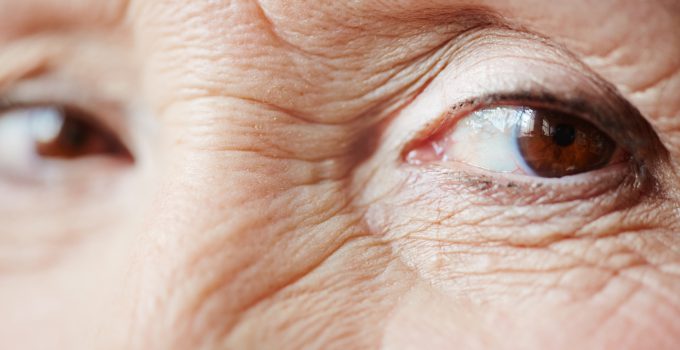
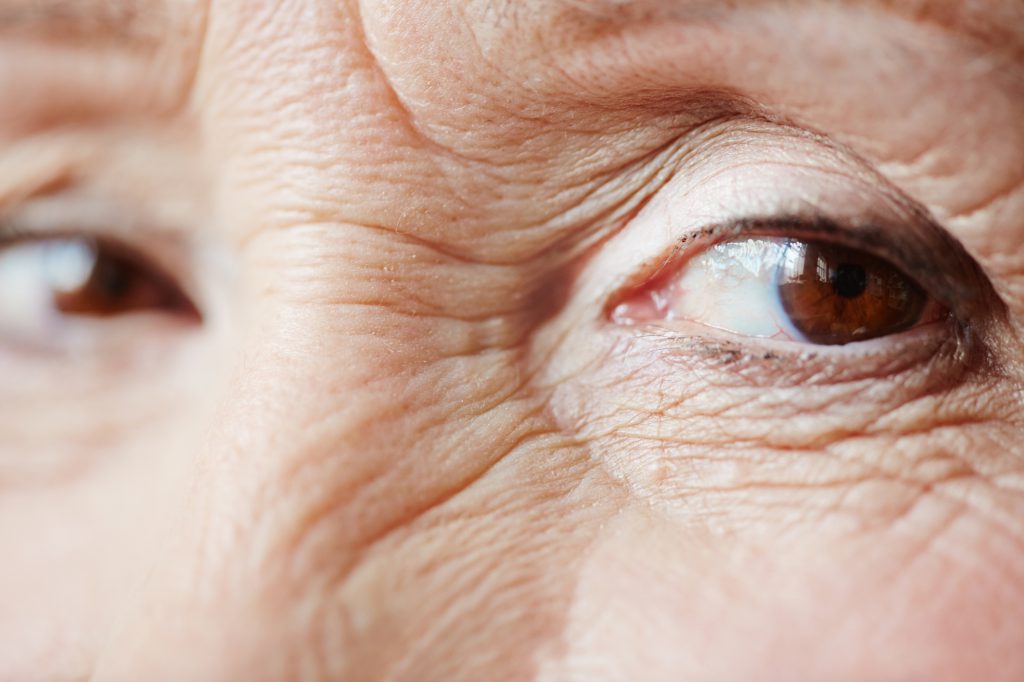 Hooded eyes are a common inherited characteristic, although there are many other possible reasons for them. But don’t be misled. In some cases, it can be both medically and cosmetically damaging to sufferers. Patients with drooping eyelids may have trouble seeing. Botox for hooded eyes can be successful in many cases, despite the belief that surgery is necessary.
The use of Botox injections may be an excellent alternative for those who have been advised that they require blepharoplasty or eyelid surgery. They are, in the majority of circumstances, less dangerous than surgery and provide faster outcomes with less downtime than surgery. They are, however, not suitable for everyone. Please continue reading for more information on the methods in which you may be able to assist your consumers in avoiding surgery and achieving long-term results.
Hooded Eyelids: An Explanation
This condition is known as ptosis and can be brought on by the levator muscle, which is responsible for holding the eyelid in place, becoming weak. In other cases, the disorder might be caused by a daily practice of constantly rubbing the eyelids together. Even applying makeup might contribute to the sagging of the upper eyelids if it is done too forcefully.
Drooping eyelids are not limited to the elderly. Children can develop the disorder as a result of neurological abnormalities or facial injuries. No matter how old the person is, enough skin may droop to cause visual impairment at some point, which can lead to secondary disorders such as headaches or car accidents as a result of impaired vision.
The Use of Botox in the Treatment of Hooded Eyes
There is a chance that Botox injections for cosmetic reasons can cause drooping of the upper eyelid. So how does something that causes sagging help to alleviate it? Cosmetic Botox injections can cause eyelid drooping if they are delivered incorrectly, however, this is not the case if the injections are performed appropriately. When administered to the correct muscles, Botox can be an effective remedy for hooded eyes.
When there is a modest brow droop or poor eyebrow alignment that causes the lids to sag lower than they should, Botox for hooded eyes works nicely. If this is the case, an injection into the outside edge of the brow should be given to induce it to rise slightly. This also elevates the lid, giving a more awake and appealing appearance while maybe improving certain vision difficulties. As with all Botox treatments, the effects fade gradually as the muscles regain their original or near-original strength. Botox for hooded eyes typically lasts 2 to 3 months.
Not Suitable in All Circumstances
Cosmetic Botox treatments will not be effective in correcting excessive skin on the upper or lower eyelids, as well as in correcting a prominent brow frown or eyelid droop created by Botox. In these situations, there are no injectable, noninvasive, or minimally invasive techniques that may be used to treat the condition. Blepharoplasty surgery can be performed if the drooping caused by these factors causes medical or vision problems, or if it provides a cosmetic effect that the patient finds unattractive. The procedure can remove the excess skin and provide benefits that persist for many years.
The majority of people who have minimal lid drooping that is caused by mild to moderate eyebrow sagging do not need pricey surgery and do not need to take any risks associated with an intrusive operation. Each patient, on the other hand, must measure their worries against the potential outcomes in order to make an informed decision, and Botox may be a viable option that they haven’t considered before.
If you’re adequately trained and the severity of the eyelid drooping situation warrants it, you may be able to assist if the reason is determined. Send a message to Dentox right now to discover more about how you may train with us to address falling eyelids with Botox treatment. During your training, you will also learn how to administer aesthetic injectables and about the additional medical applications for Botox. You may be forced into acquiring new skills that will improve the lives and well-being of patients while you work with them.
Want to know how to fix complications if they happen? Here is a tip from Dr. Katz’s Botox training program: