

Author: Renyta

The Most Unexpected Botox and Filler Trends of the Year

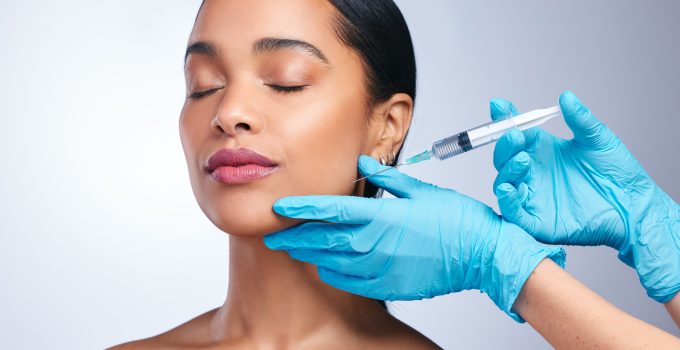
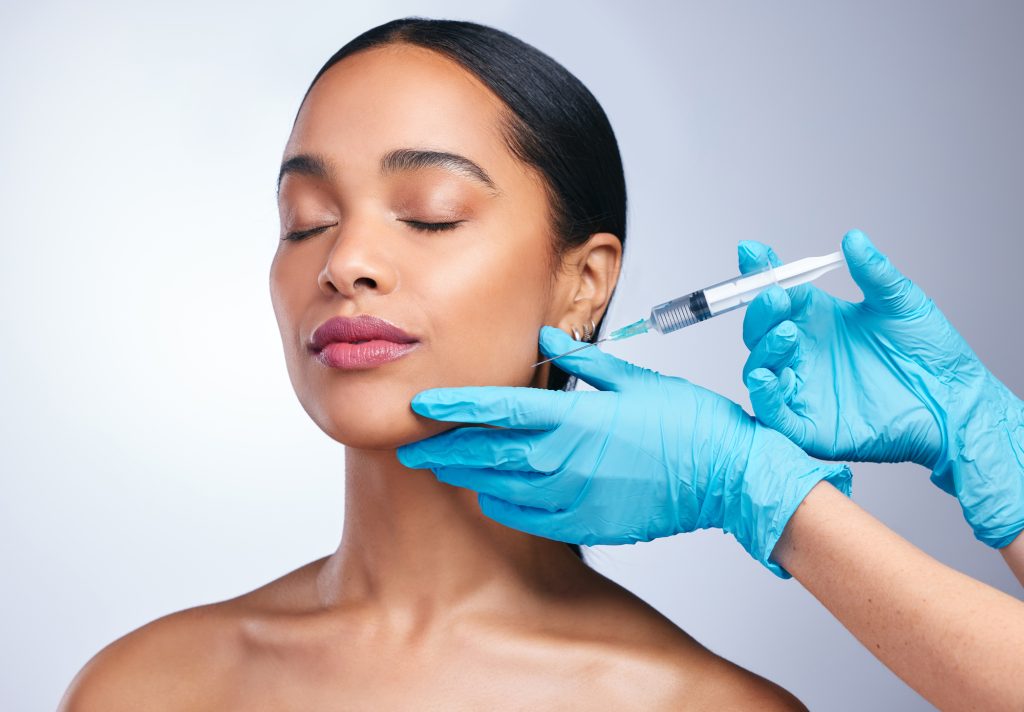
Younger individuals often choose fillers to enhance lip or cheek contours for a youthful appearance.

Younger individuals often choose fillers to enhance lip or cheek contours for a youthful appearance.

The number of Botox injections administered nationwide has significantly increased, as has the popularity of filler treatments. Together, approximately 15.8 million injectable procedures were conducted last year. To put this into perspective, that’s more than the combined populations of New York City, Los Angeles, and Chicago.

Neuromodulator injections (including Botox, Xeomin, and Dysport) rose by 9 percent to a total of around 9.5 million. Hyaluronic acid fillers like Juvéderm and Restylane saw an 8 percent increase, totaling about 5.3 million procedures. Non-hyaluronic acid fillers such as Sculptra and Radiesse also saw an 8 percent increase, totaling just under one million procedures.

“Brotox”: Embracing Botox Among Men

Traditionally, Botox has been associated with women looking to smooth out wrinkles and maintain a youthful appearance. However, there has been a significant rise in the number of men opting for Botox treatments, often referred to as “Brotox.” This trend reflects changing societal attitudes towards male grooming and self-care. Men are increasingly turning to Botox to address concerns such as forehead lines, crow’s feet, and frown lines, which can contribute to a more refreshed and relaxed appearance.

From a medical standpoint, Botox works by temporarily paralyzing muscles that cause wrinkles, thereby smoothing out the skin’s surface. The procedure involves injecting botulinum toxin into targeted facial muscles, which prevents them from contracting and forming wrinkles. The growing popularity of “Brotox” underscores the effectiveness of Botox in achieving natural-looking results for men, enhancing their facial aesthetics while maintaining masculine features.

Baby Botox: Subtle Enhancements for a Natural Look

Another emerging trend in the realm of Botox treatments is “Baby Botox.” Unlike traditional high-dose injections aimed at completely freezing facial muscles, Baby Botox involves smaller doses strategically placed to achieve a more subtle effect. Younger adults and those who are new to cosmetic procedures prefer this method because it allows them to maintain their natural facial expressions while addressing minor wrinkles and fine lines.

Medically, Baby Botox offers several advantages. By using lower doses of botulinum toxin, practitioners can tailor treatments more precisely to individual facial dynamics, reducing the risk of a frozen or unnatural appearance. This approach not only appeals to younger demographics but also aligns with the growing preference for gradual, subtle enhancements that preserve facial mobility and expression.

Botox in the Budget: Accessibility and Affordability

Accessibility to cosmetic treatments like Botox has expanded significantly, thanks in part to increased competition among providers and advancements in treatment techniques. “Botox in the Budget” refers to the growing availability of affordable Botox treatments, making them more accessible to a wider range of individuals seeking aesthetic improvements.

From a medical standpoint, advancements in formulation and administration methods have facilitated the affordability of Botox, allowing for more affordable treatments without compromising safety or efficacy. This trend has democratized cosmetic dermatology, enabling more people to benefit from the rejuvenating effects of Botox, whether for wrinkle reduction, brow lifting, or jawline contouring.

Filler Preferences by Age: Tailoring Treatments to Different Life Stages

Fillers, which are substances injected beneath the skin to add volume and contour specific facial features, have seen a shift in preferences across different age groups. Younger individuals often seek fillers to enhance lip volume or cheek contours, aiming for a more youthful appearance. As individuals age, fillers are increasingly used to restore lost volume in areas like the cheeks, temples, and under-eye hollows.

Medically, the choice of filler type and technique depends on factors such as skin elasticity, volume loss, and aesthetic goals specific to each age group. For younger patients, hyaluronic acid-based fillers are popular due to their natural-looking results and reversible nature. Denser fillers, such as calcium hydroxylapatite or poly-L-lactic acid, may be better for older patients because they restore volume and stimulate collagen for a longer period of time.

The award for the most widely favored injectable

The top spot for the most popular injectable goes to neuromodulators! When individuals schedule appointments for injectables, they usually opt for a neuromodulator such as Botox, Xeomin, or Dysport. Hyaluronic acid fillers ranked second, followed by skin-resurfacing procedures. Combination laser treatments, which are used for tasks like hair or tattoo removal and treating leg veins, took fourth place.


Preventing Dermal Filler Migration: Tips and Strategies

Get in touch with your injector or a qualified healthcare professional promptly for evaluation and guidance.

Get in touch with your injector or a qualified healthcare professional promptly for evaluation and guidance.

Dermal fillers have surged in popularity as a non-invasive means of enhancing facial aesthetics. However, concerns regarding filler migration—where injected material moves from its intended placement—remain paramount among patients seeking such treatments. To mitigate these concerns and ensure satisfactory outcomes, a thorough understanding of filler stability, factors influencing migration, and diligent post-procedure care are essential components.

Understanding Dermal Filler Stability

Once dermal fillers are injected into the skin, they gradually settle and integrate with the surrounding tissue. This integration is crucial for maintaining their shape and achieving natural-looking results. Specifically, hyaluronic acid-based fillers, a popular choice due to their biocompatibility and temporary nature, are designed to remain stable within the skin matrix. However, several factors can influence their stability and increase the risk of migration.

Factors Contributing to Filler Migration

  1. Injection Technique and Injector Experience: The skill and precision of the injector significantly impact the likelihood of filler migration. Experienced practitioners possess a deep understanding of facial anatomy, enabling them to choose appropriate injection sites and techniques that minimize the risk of displacement post-injection.
  2. Physical Manipulation: Immediate post-treatment care plays a pivotal role in preventing filler migration. Excessive rubbing, massaging, or pressure on freshly injected areas can displace filler material. Therefore, gentle handling of the face during the initial healing period is crucial to allow the filler to settle undisturbed.
  3. Type of Filler Used: Different filler formulations exhibit varying properties that affect their integration and longevity within the skin. For instance, hyaluronic acid fillers vary in terms of their cross-linking and particle size, which can influence how they interact with surrounding tissues and how long they remain in place.

Post-Treatment Care to Prevent Filler Migration

Proper aftercare is imperative to ensure the success and longevity of filler treatments. Patients should adhere to specific guidelines to minimize the risk of filler migration:

1. Immediate Aftercare Guidelines

  • Avoiding Pressure: Refrain from sleeping on your face or wearing tight eyewear immediately after treatment, as these actions can inadvertently displace the filler.
  • Activity Restrictions: For the first 24 to 48 hours post-injection, avoid strenuous exercise, intense facial massages, saunas, and alcohol consumption. These activities can increase blood flow and inflammation, potentially compromising filler stability.
  • Gentle Handling: While light touches and normal facial expressions typically do not displace well-settled fillers, avoid excessive manipulation of treated areas during the initial healing period to allow for optimal integration.

2. Recognizing and Managing Filler Migration

Despite meticulous care, filler migration may occasionally occur. Patients should remain vigilant for signs such as:

  • Discoloration: Changes in skin color around the injection site.
  • Puffiness: Swelling or puffiness, especially above the upper lip.
  • Asymmetry: Noticeable unevenness or changes in facial symmetry.

3. Corrective Measures

Prompt intervention is crucial if filler migration is suspected or observed:

  • Consultation: Contact your injector or a qualified medical professional promptly for assessment and guidance.
  • Hyaluronidase Treatment: This enzyme can effectively dissolve hyaluronic acid-based fillers, offering a corrective option if migration occurs. Hyaluronidase treatment can restore the natural appearance of the treated area by reversing the effects of misplaced filler material.

4. Long-Term Care for Optimal Results

To maintain the longevity and integrity of filler results over time, patients should adopt a comprehensive care regimen:

  • Regular Follow-ups: Schedule periodic appointments with your injector to monitor filler integration and touch up treatments as necessary.
  • Skin Care Regimen: Use skincare products that support skin health and collagen production, as healthy skin promotes filler longevity.
  • Sun Protection: Protect the treated area from UV rays by using sunscreen regularly, as sun exposure can accelerate filler breakdown.

Expert Advice and Patient Education

Board-certified professionals stress the importance of selecting a qualified injector and adhering diligently to post-treatment instructions. Educated patients who understand the nuances of filler stability and potential migration are better equipped to make informed decisions about their cosmetic treatments and contribute actively to their own care.

Conclusion

Dermal fillers represent a popular and effective option for enhancing facial aesthetics without invasive surgery. By employing proper injection techniques, adhering to recommended aftercare practices, and remaining vigilant for signs of migration, patients can minimize risks and enjoy the benefits of fillers for extended periods. Ultimately, achieving optimal outcomes from filler treatments hinges on choosing skilled practitioners, following prescribed guidelines, and addressing any concerns promptly. This approach ensures that patients achieve their desired cosmetic enhancements safely and satisfactorily.

Botox in Aesthetic Enhancement: Diverging Male and Female Perspectives

While some men may frown at obviously artificial outcomes, many women hold the belief that treatments, when done properly, can provide a subtle improvement.

Some men may grimace at clearly artificial results, but many women believe proper treatments can deliver a subtle change.

In recent years, the use of botulinum toxin type A, commonly known as Botox, has surged in popularity as a non-surgical method to combat the signs of aging. This injectable neurotoxin, which temporarily paralyzes muscles to smooth out wrinkles and fine lines, has become a staple in the arsenal of cosmetic enhancements. However, a contentious debate has emerged on social media platform X (formerly Twitter), centered around whether men can discern when women have had Botox treatments and whether they find these treatments aesthetically pleasing.

The Male Perspective: Visible Signs and Perceived Artificiality

A significant faction of men on X have vocally expressed disdain for what they describe as the “tight, frozen look” often associated with overdone Botox. This look, characterized by a lack of facial expressiveness and overly smooth skin, is viewed as unnatural and unattractive by these critics. Their arguments suggest that men can indeed detect when Botox has been administered, particularly when it results in a drastic reduction of normal facial movements and expressions.

The aversion to this perceived artificiality is rooted in the evolutionary preference for natural indicators of health and vitality. Facial expressiveness is a crucial component of non-verbal communication, conveying emotions and intentions. When Botox impairs this expressiveness, it can create a sense of dissonance or discomfort for observers, leading to a preference for more natural appearances.

The Female Perspective: Subtlety and Enhanced Aesthetics

Contrarily, many women argue that when Botox is applied judiciously, it enhances their appearance without crossing the threshold into obviousness. This group posits that men generally cannot distinguish between a naturally youthful appearance and one subtly enhanced by Botox. Proponents of this view maintain that well-executed Botox treatments result in a fresher, more rested look without sacrificing natural facial dynamics.

The subtlety of skillfully administered Botox lies in the dosage and the strategic placement of injections. Experienced practitioners aim to achieve a balance where wrinkles are minimized but enough muscle activity remains to preserve natural facial expressions. This nuanced approach addresses concerns about artificiality and aligns with the desires of women seeking to maintain their appearance without overt signs of cosmetic intervention.

The Clinical Perspective: Understanding Botox Effects and Outcomes

From a clinical standpoint, Botox works by blocking the release of acetylcholine at the neuromuscular junction, inhibiting muscle contractions that cause dynamic wrinkles. The effects typically last between three and six months, necessitating regular maintenance for sustained results. The degree to which Botox affects facial aesthetics depends on various factors, including the amount used, the specific muscles targeted, and the individual’s anatomy and skin condition.

An exaggerated appearance can result from excessive administration or improper technique, which causes a noticeable reduction in facial mobility along with the smoothing of the skin. Conversely, conservative use aimed at specific areas, such as the crow’s feet or forehead lines, can achieve a more natural look that enhances rather than alters one’s features. The goal is to find a balance that maintains expressiveness while reducing the signs of aging.

The Social Media Debate: Divergent Views and Broader Implications

The polarized opinions on X underscore the broader societal discourse on beauty standards and the acceptance of cosmetic procedures. Men’s criticisms often reflect a preference for authenticity and a skepticism towards cosmetic enhancements, which they perceive as deceptive. Women, on the other hand, advocate for their autonomy in choosing aesthetic procedures that boost their confidence and align with their personal beauty ideals.

This debate also highlights the influence of social media in shaping public perceptions of beauty and cosmetic procedures. The visibility of both positive and negative outcomes of Botox on platforms like X can amplify biases and reinforce stereotypes. Moreover, the anonymous and often hyperbolic nature of social media discussions can skew perceptions and create a distorted view of common practices and preferences.

Bridging the Divide: Communication and Education

To bridge the gap between these divergent views, it is crucial to promote informed discussions about cosmetic procedures. Education on the realistic outcomes of Botox, emphasizing the importance of skilled administration, can help mitigate misunderstandings and reduce stigma. Additionally, fostering open communication between partners about expectations and preferences regarding appearance can enhance mutual understanding and acceptance.

Ultimately, the choice to use Botox or any cosmetic enhancement is a personal one, influenced by individual desires and social pressures. By acknowledging the validity of different perspectives and prioritizing safe, informed decision-making, it is possible to navigate the complexities of aesthetic enhancement in a way that respects personal autonomy and aesthetic diversity.

In conclusion, the debate over Botox on X highlights the complex interplay between gender perceptions, beauty standards, and cosmetic technology. While men may be critical of overtly artificial results, many women believe that discreet, well-executed treatments can offer a subtle enhancement that goes unnoticed by the untrained eye. Balancing these perspectives through education and communication is key to understanding the nuanced role of Botox in modern aesthetics.

The Efficacy and Implications of Preventative Botox for Wrinkles in Young Adults

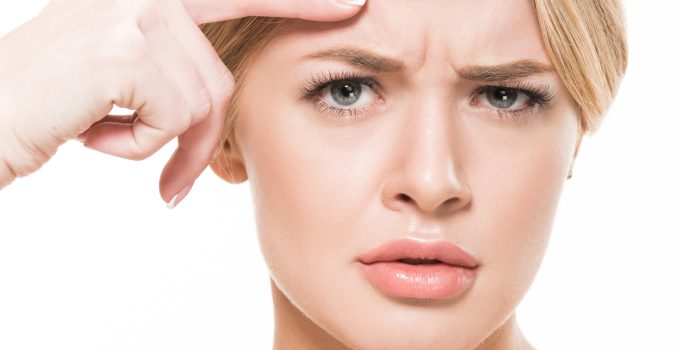
By inhibiting muscle contractions, Botox minimizes dynamic wrinkles from facial expressions like frowning, squinting, or smiling.

By inhibiting muscle contractions, Botox minimizes dynamic wrinkles from facial expressions like frowning, squinting, or smiling.

Botulinum toxin type A, commonly known by its commercial name Botox, has gained significant popularity as a non-surgical aesthetic treatment for mitigating the appearance of wrinkles and fine lines. Traditionally, Botox has been utilized primarily by older adults seeking to reduce the visible signs of aging. However, an emerging trend involves the use of Botox as a preventative measure in younger individuals, specifically those in their 20s and 30s. This article explores the efficacy, underlying mechanisms, and potential implications of preventative Botox in young adults.

Mechanism of Action

Botox works by temporarily inhibiting the release of acetylcholine at the neuromuscular junction, leading to a reversible paralysis of the targeted muscles. By preventing muscle contractions, Botox effectively reduces the formation of dynamic wrinkles, which are lines that appear due to facial movements such as frowning, squinting, or smiling. Over time, these dynamic wrinkles can become static, persisting even when the face is at rest. The preventative application of Botox aims to halt this progression by minimizing the repetitive muscle activity that leads to wrinkle formation.

Efficacy of Preventative Botox

The rationale behind preventative Botox is to delay or even prevent the onset of static wrinkles. Clinical studies and anecdotal evidence suggest that regular Botox treatments in younger adults can indeed reduce the likelihood of developing deep, etched-in lines as they age.

  1. Reduction of Dynamic Wrinkles: By administering Botox before dynamic wrinkles have a chance to evolve into static ones, individuals can maintain smoother skin for a longer period. Research indicates that early intervention can result in a more youthful appearance, with reduced necessity for more invasive procedures later in life.
  2. Collagen Preservation: Muscle contractions contribute to the breakdown of collagen and elastin in the skin. By mitigating these contractions, Botox helps preserve the structural integrity of the skin, promoting its elasticity and resilience.
  3. Habit Modification: Preventative Botox can also alter facial movement patterns, encouraging individuals to use their facial muscles in ways that are less likely to cause wrinkles. Over time, this can lead to more permanent changes in muscle activity, further reducing wrinkle formation.

Considerations and Risks

Despite the potential benefits, several considerations must be addressed when contemplating preventative Botox in young adults.

  1. Appropriate Candidates: Not all individuals in their 20s and 30s are ideal candidates for preventative Botox. A thorough consultation with a qualified dermatologist or plastic surgeon is essential to assess skin type, muscle activity, and genetic predisposition to wrinkle formation.
  2. Frequency and Dosage: The frequency and dosage of Botox injections must be carefully calibrated. Overuse can lead to muscle atrophy, an unnatural appearance, or resistance to the toxin. Typically, treatments are administered every 3 to 6 months, with adjustments based on individual response and aesthetic goals.
  3. Cost Considerations: Regular Botox treatments can be expensive, and individuals should weigh the long-term financial commitment against the anticipated benefits. Preventative Botox is a recurrent expense, and the cumulative cost over several decades can be substantial.
  4. Potential Side Effects: While Botox is generally safe when administered by experienced professionals, potential side effects include bruising, swelling, headaches, and, in rare cases, ptosis (drooping of the eyelids). Understanding these risks is crucial for informed consent.

Psychological and Social Implications

The increasing popularity of preventative Botox also has psychological and social dimensions. The pressure to maintain a youthful appearance can contribute to body dysmorphic disorder and other mental health issues. It is essential to foster realistic expectations and promote a healthy relationship with one’s appearance.

Ethical Considerations

The ethics of promoting aesthetic procedures to young adults are complex. Medical professionals must balance the desire for profit with the obligation to provide care that is in the patient’s best interest. Informed consent is paramount, and practitioners should ensure that patients fully understand the risks, benefits, and alternatives to Botox.

Future Directions

As the trend of preventative Botox continues to grow, ongoing research is needed to evaluate its long-term efficacy and safety. Future studies should aim to establish standardized guidelines for treatment protocols, identify biomarkers for optimal candidates, and explore the psychological impact of early cosmetic interventions.

Conclusion

Preventative Botox in the 20s and 30s represents a proactive approach to wrinkle management, offering the potential to maintain a youthful appearance by addressing the early signs of aging. While the evidence supports its efficacy in reducing dynamic wrinkles and preserving collagen, individuals must carefully consider the long-term commitment, potential risks, and psychological implications. For the best results with any medical treatment, a customized strategy based on expert advice and research-proven techniques is crucial.

Treating Headaches with Botox by Injecting the Corrugator Muscle

Chronic headaches, particularly migraines, disrupt everyday activities and overall well-being, significantly reducing quality of life.

Chronic headaches, particularly migraines, disrupt everyday activities and overall well-being, significantly reducing quality of life.

Chronic headaches, particularly migraines, significantly impair individuals’ quality of life by disrupting daily activities and overall well-being. While traditional medications can be effective, they may not work for everyone and often have undesirable side effects. Botulinum toxin type A (Botox) has emerged as a novel treatment for chronic headaches, particularly migraines. This article explores the mechanism, effectiveness, and procedure of using Botox injections in the corrugator supercilii muscle to alleviate headache symptoms.

Understanding Chronic Headaches and Migraines

Chronic headaches are defined as occurring 15 or more days per month for over three months. A common subtype of headaches is migraines, which feature intense, throbbing pain along with nausea, vomiting, and sensitivity to light and sound. There are many ways that neuronal, vascular, and inflammatory pathways interact in migraines. The trigeminovascular system, cortical spreading depression, and neurogenic inflammation are some of the most important ones.

Mechanisms of Botox in Headache Treatment

The bacterium Clostridium botulinum is responsible for producing botulinum toxin type A. It temporarily paralyzes muscles by stopping the release of acetylcholine at the neuromuscular junction. In headache treatment, Botox’s effectiveness is attributed to its influence on peripheral and central sensitization mechanisms involved in chronic pain.

  • Peripheral Sensory Modulation: By paralyzing muscles linked to tension and pain pathways, Botox reduces peripheral nociceptive inputs.
  • Central Sensitization Reduction: Chronic headaches often cause central sensitization, where the central nervous system becomes hyper-responsive to stimuli. Botox may help mitigate this process.
  • Inhibition of Neurogenic Inflammation: Botox decreases the release of pro-inflammatory neuropeptides, like calcitonin gene-related peptide (CGRP), involved in migraine pathophysiology.

Targeting the Corrugator Muscle

The corrugator supercilii muscle, located at the medial end of the eyebrow, plays a significant role in frowning and is implicated in tension-type headaches and migraines. Overactivity of this muscle can contribute to headache pain.

Anatomy and Function

  • Origin and Insertion: The corrugator muscle originates from the medial end of the superciliary arch and inserts into the forehead skin near the eyebrow.
  • Function: Its primary function is to draw the eyebrow downward and medially, creating vertical forehead wrinkles. It is innervated by the facial nerve (cranial nerve VII), specifically its temporal branch.

Botox Injection Procedure

Patient Selection and Pre-Treatment Assessment

  • Ideal Candidates: Individuals with chronic migraines or tension-type headaches unresponsive to conventional treatments.
  • Medical History and Physical Examination: Focus on headache frequency, duration, triggers, and associated symptoms. A thorough neurological exam should rule out secondary causes.
  • Headache Documentation: Patients may keep a headache diary to track frequency, intensity, duration, and triggers.

Injection Technique

Performed by a trained healthcare professional experienced in headache management and facial anatomy.

1. Preparation

  • Informed Consent: Explain the procedure, potential risks, benefits, and alternatives. Obtain informed consent.
  • Aseptic Technique: Maintain proper aseptic technique to minimize infection risk.

2. Injection Procedure

  • Patient Positioning: Position the patient comfortably, usually semi-reclined or supine.
  • Muscle Localization: Identify the corrugator muscle by asking the patient to frown or squint.
  • Injection Sites: Typically, 2-3 sites are selected along the muscle’s length.
  • Dosage: 5 to 10 units per side, based on muscle size and patient response.
  • Technique: Use a fine gauge needle (30-32 gauge) to inject Botox intramuscularly, avoiding intravascular injection.

3. Post-Injection Care and Follow-Up

  • Immediate Post-Care: Advise against rubbing or massaging injection sites for 24 hours to prevent toxin migration.
  • Activity Restrictions: Avoid strenuous activity, lying down, or bending over for a few hours post-injection.
  • Follow-Up: Schedule follow-up in 4-6 weeks to assess effectiveness and plan potential repeat injections.
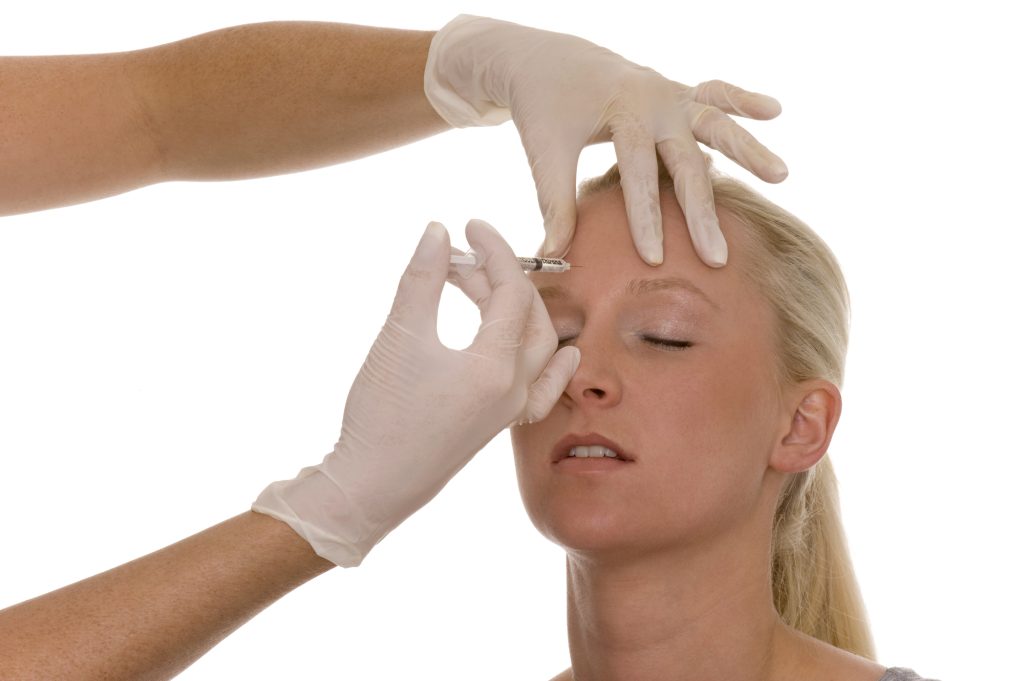
Injecting Botox into the corrugator muscle shows great potential as a treatment for chronic headaches, particularly migraines.

Injecting Botox into the corrugator muscle shows great potential as a treatment for chronic headaches, particularly migraines.

Efficacy and Safety

Clinical Evidence

  • PREEMPT Trials: The Phase III Research Evaluating Migraine Prophylaxis Therapy (PREEMPT) clinical program demonstrated Botox’s efficacy in reducing headache days and improving quality of life in chronic migraine patients.
  • Long-Term Studies: Indicate sustained benefits with repeated treatments, with many patients experiencing significant reductions in headache frequency and intensity over time.

Safety Profile

  • Common Side Effects: Localized pain, swelling, bruising at injection sites, and transient headache.
  • Rare but Serious Side Effects: Ptosis (drooping of the eyelid), diplopia (double vision), and allergic reactions, often related to improper technique or dosing.

Mechanisms of Action in Headache Relief

Botox alleviates headaches by inhibiting acetylcholine release, causing muscle relaxation, and reducing muscle tension and pain signals to the brain. Also, it changes the release of neuropeptides and neurotransmitters that are involved in pain pathways, like substance P and CGRP. This lowers neurogenic inflammation and central sensitization.

Patient Outcomes and Satisfaction

Patients often report significant improvements in headache frequency, intensity, and overall quality of life, with high satisfaction rates, especially among those unresponsive to other therapies.

  • Quality of Life: Reduced headache frequency and severity lead to better daily functioning, less absenteeism, and improved social interactions.
  • Psychological Benefits: Chronic pain relief can improve mood, reduce anxiety and depression, and enhance overall mental health.

Conclusion

Botox injections in the corrugator muscle offer a promising treatment for chronic headaches, especially migraines. With a multifaceted mechanism of action targeting both peripheral and central pain pathways, Botox provides relief for those unresponsive to conventional therapies. Proper patient selection, meticulous injection technique, and regular follow-up are essential for optimal outcomes and minimal side effects. As clinical experience and research continue to evolve, Botox is likely to remain a valuable tool in headache management, significantly improving patients’ quality of life and overall well-being.

The Hidden Dangers of Fake Botox: How to Avoid Counterfeits

The FDA warns that fake products can be misbranded, contaminated, or improperly stored, making them dangerous.

Counterfeit Botox products have surged onto the scene in the United States, prompting grave concern among public health officials. These fraudulent injectables have already caused harm to numerous individuals, resulting in hospitalizations and severe adverse reactions. The Centers for Disease Control and Prevention (CDC) and the Food and Drug Administration (FDA) are actively investigating these cases, emphasizing the importance of heightened awareness and caution among the public.

The emergence of fake Botox poses significant risks to individuals seeking aesthetic enhancements. According to recent data from the CDC, nineteen individuals across nine states have reported adverse reactions to botulinum toxin injections. These reactions closely resemble symptoms of botulism, a rare but severe illness affecting the nervous system. Symptoms reported include blurred or double vision, difficulty swallowing, dry mouth, constipation, incontinence, shortness of breath, weakness, and difficulty lifting one’s head after injection. Alarmingly, four individuals required treatment for botulism, raising concerns about the potential spread of the toxin beyond the injection site.

Identification and investigation efforts are underway to trace the source of these counterfeit Botox products. Collaborative initiatives involving the FDA, CDC, and various state and local health departments aim to unravel the origins of these dangerous counterfeit items. Preliminary findings suggest that the counterfeit Botox may have been obtained from unlicensed sources, underscoring the critical importance of purchasing medical products from reputable and authorized channels. The FDA cautions that these fraudulent products may be misbranded, adulterated, contaminated, improperly stored, or transported, rendering them ineffective and hazardous to consumer health.

In light of these developments, individuals seeking Botox treatments must exercise heightened vigilance and take proactive steps to safeguard their well-being. The following tips can help mitigate the risk of falling victim to counterfeit Botox:

  • Choose a trusted professional: Prioritize receiving Botox injections from a licensed and reputable healthcare provider. Verify the credentials and experience of the practitioner administering the treatment to ensure competence and safety.
  • Verify the source: Exercise diligence in tracking the origin of the Botox product. Purchase Botox only from reliable and licensed sources, avoiding unauthorized distributors or online vendors of dubious credibility.
  • Watch for warning signs: Familiarize yourself with indicators that may signal the presence of counterfeit Botox. Suspicious signs include discrepancies such as lot numbers not matching official records, packaging displaying non-English language, or inconsistencies in labeling and packaging materials. Genuine Botox products typically feature specific details, including lot numbers, accurate labeling of the active ingredient as “Botulinum Toxin Type A,” and proper dosage information.

While no evidence links these incidents to the brand-name Botox manufactured by reputable pharmaceutical companies, exercising caution and prudence remains paramount. Individuals contemplating aesthetic procedures involving Botox injections must prioritize their safety and well-being by adhering to these precautionary measures. By partnering with trusted professionals, verifying product authenticity, and remaining vigilant for potential red flags, individuals can minimize the risk of exposure to counterfeit Botox and safeguard their health and aesthetic goals.

Enhancing Facial Aesthetics: The Versatility of Dermal Fillers Across Six Key Areas

Dermal fillers non-surgically restore lost volume and youthful contours to the cheeks.

Dermal fillers non-surgically restore lost volume and youthful contours to the cheeks.

Facial aesthetics are crucial in shaping an individual’s self-perception and confidence. In recent years, dermal fillers have gained popularity as a non-invasive alternative to surgical procedures for various cosmetic dermatological issues. This article explores six key areas where dermal fillers can effectively enhance facial features, promoting a natural and youthful appearance.

  1. Plumping Up Your Lips: Due in part to celebrities who flaunt voluptuous pouts, the desire for fuller, more defined lips has become increasingly popular. A versatile method of lip augmentation, dermal fillers allow for delicate additions that harmonize with the natural lip shape. Filler injectors can achieve harmonious facial proportions by selectively injecting hyaluronic acid-based fillers to plump up lips, diminish fine wrinkles, and reestablish symmetry.
  2. Plump Cheeks: Loss of volume in the cheeks is a common consequence of aging, contributing to a hollow or sunken appearance. Dermal fillers offer a non-surgical solution to replenish lost volume and restore youthful contours to the cheeks. Precise injection techniques can rejuvenate the mid-face region, imparting a refreshed and energized look without the need for invasive procedures like facelift surgery.
  3. Filling Forehead Lines: Dynamic and static lines on the forehead can be a source of concern for individuals seeking to maintain a youthful visage. While Botox temporarily paralyzes underlying muscles to reduce dynamic wrinkles, dermal fillers target static lines, which remain visible even at rest. By filling in these lines with hyaluronic acid fillers, filler injectors can achieve smoother forehead skin texture and diminish the signs of aging.
  4. Resculpting the Nose or Chin: The shape and proportion of the chin and nose significantly influence facial harmony and balance. Dermal fillers offer a non-surgical alternative to reshape and refine these facial features, addressing concerns such as a weak chin or a dorsal hump on the nose. Through skillful injection techniques, filler injectors can enhance the profile and contour of the chin and nose, creating a more aesthetically pleasing appearance.
  5. Removing Nasolabial Folds and Marionette Lines: Marionette lines and nasolabial folds are prominent facial wrinkles that can contribute to an aged or tired look. Dermal fillers provide an effective means of filling in these deep creases, restoring volume and smoothness to the lower face. By replenishing lost volume in the cheeks and mid-face, filler injectors can diminish the appearance of marionette lines and nasolabial folds, rejuvenating the overall facial appearance.
  6. Minimizing the Visibility of Scars: Facial scars, whether from acne, injury, or surgery, can detract from facial aesthetics and cause self-consciousness. Dermal fillers offer a versatile solution for minimizing the appearance of scars and improving skin texture. By injecting fillers into depressed scar tissue, filler injectors can elevate the skin surface and create a smoother, more even complexion, enhancing the patient’s confidence and self-image.

Conclusion

Dermal fillers represent a valuable tool in medical aesthetics, offering versatile solutions to various facial concerns. From enhancing lip volume to refining facial contours and reducing the appearance of scars, fillers provide a non-surgical approach to facial rejuvenation and enhancement. By understanding the diverse applications of dermal fillers, patients can achieve natural-looking results and regain confidence in their facial appearance.

Exploring the Awesome Benefits of Dermal Fillers for Revitalized Skin

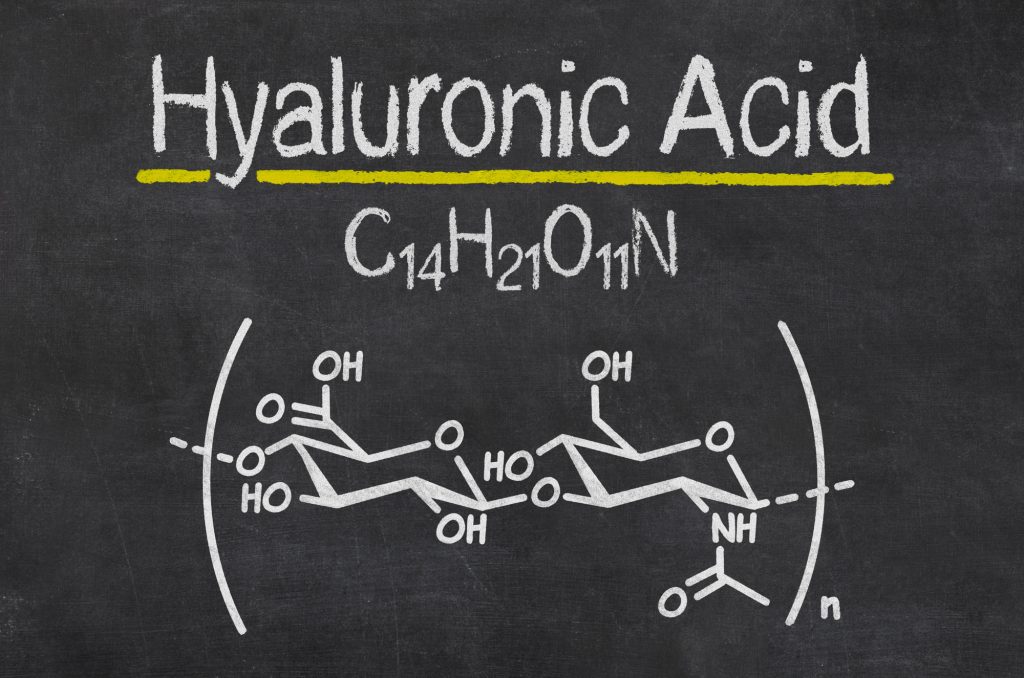
Hyaluronic acid is an important component of many dermal fillers, which is present in the body's connective tissues.

Hyaluronic acid is an important component of many dermal fillers and is present in the body’s connective tissues.

Are you seeking non-surgical avenues to rejuvenate your skin? Dermal fillers present a compelling solution. These injections offer a transformative array of benefits, from smoothing wrinkles to restoring facial volume without significantly disrupting daily life. Let’s delve into the mechanism of action of dermal fillers, their therapeutic advantages, and how they foster a sense of confidence while safeguarding privacy.

1. Understanding Dermal Fillers

Dermal fillers are injectable formulations that augment skin appearance by ameliorating wrinkles and reinstating volume in areas suffering from tissue depletion. Various fillers feature hyaluronic acid or substances that spur collagen synthesis. These formulations exhibit multifaceted effects, adeptly ironing out wrinkles, refining jaw contours, and enhancing lip fullness.

2. Hyaluronic Acid: The Skin’s Ally

Hyaluronic acid, a ubiquitous constituent of the body’s connective tissues, is pivotal in many dermal fillers. Revered for its capacity to retain moisture and enhance skin elasticity, hyaluronic acid, when employed in fillers, acts as a hydrating agent, attracting water molecules to plump the skin and mitigate wrinkles. Thus, hyaluronic acid fillers confer immediate aesthetic benefits and sustain skin hydration and youthfulness over time.

3. Inducing Collagen Synthesis for Skin Firmness

Beyond mere wrinkle attenuation, dermal fillers catalyze heightened collagen and elastin production within the skin. Collagen and elastin are indispensable for maintaining skin tautness and resilience. Cross-linked hyaluronic acid or calcium hydroxylapatite microspheres in some fillers can stimulate collagen production, leading to a more youthful and firm appearance.

4. Rapid Outcomes with Negligible Recovery Period

One of the most appealing attributes of dermal fillers is their ability to yield immediate results with minimal downtime. Patients can enter the clinic with visible signs of aging and emerge within an hour adorned with smoother, plumper skin. The swift and straightforward injection procedure enables swift resumption of daily activities, making dermal fillers an expedient option for busy people.

5. Synergistic Enhancement through Combination Therapies

While efficacious in isolation, dermal fillers can synergize with other modalities, such as Botox, to achieve optimal outcomes in facial rejuvenation. By concurrently addressing diverse aging manifestations like wrinkles and volume loss, combination therapies furnish a comprehensive rejuvenating effect, culminating in a more harmonious and youthful countenance.

6. Customized Approaches for Naturalistic Results

Recognizing the uniqueness of each individual’s facial anatomy and aesthetic aspirations, adept practitioners tailor dermal filler treatments to align with personalized objectives. By judiciously administering injections to address specific concerns, practitioners ensure outcomes harmonize with the patient’s natural features, preserving authenticity while effectuating aesthetic enhancement.

7. Prolonged Efficacy with Prudent Care

The durability of dermal filler effects, which can last several months or years, hinges on meticulous aftercare and periodic maintenance sessions. By adhering to practices that sustain skin health, such as adequate hydration and sun protection, individuals can prolong the duration of filler benefits, thus perpetuating a youthful appearance.

8. Beyond Wrinkle Reduction: Correcting Textural Irregularities and Scarring

Dermal fillers transcend the realm of wrinkle mitigation, exhibiting efficacy in refining skin texture and ameliorating scar tissue. By elevating indented scars and smoothing irregularities, fillers bestow a more uniform complexion and texture, fostering an aesthetically pleasing skin surface.

9. Augmenting Self-Assurance through External Enhancement

In addition to their tangible benefits, dermal fillers empower individuals by fostering a sense of confidence and well-being. By effecting external transformations that resonate with internal aspirations, fillers engender a positive feedback loop, bolstering self-assurance and self-esteem.

10. Safety Parameters: Mitigating Risks through Prudent Practice

Like any medical intervention, dermal fillers entail certain risks, encompassing bruising, swelling, and infection. However, these complications are minimized when treatments are administered by proficient practitioners operating within the purview of established safety guidelines.

11. A Non-Invasive Paradigm for Skin Rejuvenation

For those averse to surgical interventions, dermal fillers offer a non-invasive avenue for skin revitalization, devoid of anesthesia and protracted recovery periods. With their minimal risk profile and versatility in targeting diverse facial regions, fillers represent a judicious choice for those seeking aesthetic enhancement without surgical intervention.

12. Sustaining Outcomes through Consistent Care

Adherence to a comprehensive skincare regimen and periodic maintenance sessions are imperative to optimizing the durability of dermal filler results. By adopting lifestyle practices conducive to skin health, individuals can perpetuate the benefits of fillers, sustaining a vibrant and youthful visage.

In summation, dermal fillers epitomize a transformative approach to skin rejuvenation, conferring immediate and enduring benefits that transcend mere aesthetics. Whether smoothing wrinkles, refining facial contours, or enhancing skin texture, fillers are potent tools for fostering confidence and self-assurance. However, prudent selection of providers and assiduous aftercare are essential to realizing optimal outcomes and safeguarding patient well-being.

Selection of a Botox Provider: 7 Key Points for Safety and Success

Any aesthetic treatment must be preceded by a thorough consultation.

Botulinum toxin type A, commonly known as Botox, is a widely used neuromodulator for reducing dynamic rhytides. When administered correctly, Botox can yield aesthetically pleasing results. However, the efficacy and safety of Botox treatments are contingent upon the proficiency and reliability of the administering provider. Consider the following seven critical points when selecting a Botox provider to ensure a safe and satisfactory outcome:

1. Verify Qualifications and Training

The initial step in selecting a Botox provider is to verify their qualifications and training. Do your research to make sure the provider is a board-certified doctor, plastic surgeon, dermatologist, or advanced practice nurse. They should possess specialized training in the administration of botulinum toxin injections. Look for certifications and memberships in reputable professional organizations, as these affiliations indicate a commitment to upholding high standards in aesthetic medicine.

2. Assess Experience

When it comes to cosmetic procedures, experience is key. Providers with extensive experience performing the procedure typically get the best results with Botox. Inquire about the duration of their practice in performing Botox treatments and the frequency with which they administer these injections. An experienced provider will have a comprehensive understanding of facial anatomy and the subtleties of botulinum toxin application, thereby minimizing the risk of adverse effects and ensuring more natural-looking results.

3. Review Patient Feedback

You can learn a lot about a provider’s credibility and service quality from reviews and testimonials written by their patients. Find reputable review sites like Yelp, RealSelf, and Google, and read their feedback. Pay close attention to feedback regarding the provider’s professionalism, the clinical environment, and patient satisfaction with the outcomes. Additionally, request to see before-and-after photographs of previous patients to evaluate the provider’s skill and to set realistic expectations.

4. Importance of the Consultation

A comprehensive consultation is imperative prior to undergoing any aesthetic procedure. During the consultation, the provider should take a detailed medical history, understand your aesthetic objectives, and discuss the potential risks and benefits of Botox. They should elucidate the procedure, recovery expectations, and pre-treatment preparation. Utilize this opportunity to ask pertinent questions and address any concerns. A provider who takes the time to listen and communicate effectively is more likely to deliver a positive experience.

5. Evaluate the Clinical Environment

The clinical environment where you receive Botox treatment is equally important as the provider’s credentials. Ensure that the clinic is clean, well-maintained, and adheres to stringent hygiene protocols. The equipment should be modern and sterile. The demeanor of the staff should be professional and welcoming, ensuring a comfortable and supportive experience. A well-organized and hygienic clinic reflects the provider’s dedication to patient safety and quality care.

6. Consider Cost and Value

While cost should not be the sole criterion, it is essential to consider the value you receive for your investment. Extremely cheap prices should raise red flags because they could be indicative of low-quality materials or inexperience. Conversely, exorbitant prices do not necessarily guarantee superior results. Compare costs among reputable providers and consider what is included in the fee. Verify that there are no hidden charges and that follow-up appointments are part of the package.

7. Legal and Ethical Standards

Lastly, ensure that your provider adheres to the highest legal and ethical standards. They should operate in a licensed and accredited facility, comply with local regulations, and use only FDA-approved botulinum toxin products. The provider should be transparent about their qualifications, the origin of their products, and the potential risks associated with the procedure. Ethical providers prioritize patient safety and satisfaction above all else.

Conclusion

Selecting the appropriate Botox provider is crucial for achieving safe and satisfactory outcomes. By verifying qualifications, assessing experience, reviewing patient feedback, ensuring a comprehensive consultation, evaluating the clinical environment, considering cost and value, and confirming adherence to legal and ethical standards, you can make an informed decision. These steps will guide you in finding a provider capable of delivering the aesthetically pleasing, natural-looking results you desire while ensuring your safety and well-being.

4 Important Things to Know About Botox

Botox effectiveness and safety depend on educated decisions.

Botox effectiveness and safety depend on educated decisions.

When it comes to beauty treatments, particularly those involving injections like Botox, caution and awareness are paramount. The allure of low-cost Botox can be tempting, but it often comes with significant risks. Ensuring safety with “Tox” injections and other medical spa treatments is essential to avoid potentially hazardous circumstances. Here, we explore four critical things to know about Botox to help you make informed decisions and prioritize your health.

1. Quality Over Affordability

It’s easy to fall for discounted Botox treatments when they offer the chance to achieve your desired cosmetic effects for a much lower price. However, it’s vital to be aware that less expensive does not necessarily mean better when it comes to medical procedures. Choosing to use discounted services can lead to terrible outcomes.

Concerningly, there have been reports of people being hospitalized or suffering from serious symptoms as a result of neurotoxic injections that are not Botox Cosmetic. The quest for discounts in the beauty sector can lead to significant repercussions, as these stories demonstrate.

Authentic Botox, manufactured by Allergan, is a well-regulated product that meets stringent safety and efficacy standards. It requires proper storage and handling, conditions often not met by cheaper alternatives. When you opt for marked-down Botox, you might be receiving a diluted or fake product, which can result in undesirable outcomes such as uneven facial expressions, drooping eyelids, and in severe cases, life-threatening allergic reactions. Therefore, prioritizing quality over affordability is not just about getting the best results, but also about ensuring your safety and health.

2. The Significance of Certification

If you are considering a cosmetic operation, it is imperative that you choose a qualified specialist. To provide the best possible care and security for their patients, certified experts strictly follow the rules and regulations established by the product’s producer and state medical organizations. By providing treatments that are in line with the standard of care, these doctors greatly lessen the likelihood of problems associated with counterfeit goods.

Certification is not just a formality; it reflects a practitioner’s commitment to maintaining high standards of practice. Certified practitioners undergo extensive training, understanding the complexities of facial anatomy and the specific techniques required to administer Botox safely and effectively. This knowledge is vital in avoiding complications such as asymmetry, infections, and unwanted side effects.

In addition to their technical skills, certified professionals stay updated with the latest advancements and best practices in cosmetic procedures. They are equipped to provide comprehensive consultations, helping patients understand the treatment process, set realistic expectations, and address any concerns. 

3. Recognizing Cost Warning Signs

The price of Botox treatments depends on several factors, such as the product’s quality, the practitioner’s skill, and the clinic’s efficiency. Since getting real Botox and maintaining a good standard of care are expensive, most respectable practitioners charge the same. Look out for Botox sold at much-reduced pricing; it can be a red flag.

Extremely low prices often suggest counterfeit or diluted products, posing significant health risks. Counterfeit Botox may contain unknown substances that can cause severe allergic reactions or infections. Diluted Botox, on the other hand, may not provide the desired results, leading to a need for additional treatments and higher overall costs in the long run.

Moreover, practitioners offering unusually low prices may cut corners in other areas, such as using expired products or employing inadequately trained staff. These practices can result in poor treatment outcomes and increase the likelihood of complications. Therefore, when evaluating Botox treatments, it’s essential to prioritize quality and safety over cost. Investing in a reputable clinic with certified professionals ensures that you receive authentic Botox administered correctly, providing the best possible results.

4. The Importance of Consultation and Aftercare

It is critical to have a comprehensive consultation before Botox treatment. During this session, the practitioner will review your health history, listen to your cosmetic objectives, and discuss the procedure’s risks, benefits, and anticipated outcomes. The most important part of the process is making sure you are a good candidate for Botox and that the results meet your expectations.

In addition to the initial consultation, proper aftercare is essential for achieving optimal results and minimizing complications. Certified practitioners provide detailed aftercare instructions, including what to avoid post-treatment (e.g., strenuous exercise, certain medications) and how to manage any side effects. They also schedule follow-up appointments to monitor your progress and address any concerns.

Patients often overlook the importance of aftercare, but it plays a significant role in the success of Botox treatments. Proper aftercare helps reduce the risk of side effects such as bruising, swelling, and infection and ensures that the Botox settles correctly for the best aesthetic outcome.

Conclusion

When it comes to Botox, making informed decisions is crucial to ensuring both the effectiveness of the treatment and your safety. While the allure of low-cost Botox can be strong, it often comes with significant risks. Prioritizing quality over affordability, choosing certified professionals, recognizing cost warning signs, and valuing thorough consultation and aftercare are all essential steps in achieving the best possible results with Botox.

Further Considerations

Understanding the long-term implications of Botox treatments is also important. Regular Botox users should be aware of how repeated injections can affect muscle movement over time. While Botox is generally safe, improper or excessive use can lead to resistance or diminished effectiveness. Discussing these aspects with a certified professional can help tailor a treatment plan that maintains effectiveness while minimizing risks.

Additionally, it’s worth considering the psychological impacts of Botox. While the physical benefits are often immediate and visible, the mental satisfaction of looking one’s best can also play a significant role in overall well-being. However, it’s essential to manage expectations and understand that Botox is not a cure-all for self-esteem issues. A holistic approach that includes both physical and mental health considerations will yield the best results.

Stay Informed and Stay Safe

Botox can provide significant aesthetic benefits, but it’s essential to approach it with the same caution and diligence as any medical procedure. By prioritizing quality, seeking certified professionals, recognizing cost warning signs, and understanding the importance of consultation and aftercare, you can enjoy the benefits of Botox while minimizing risks.