


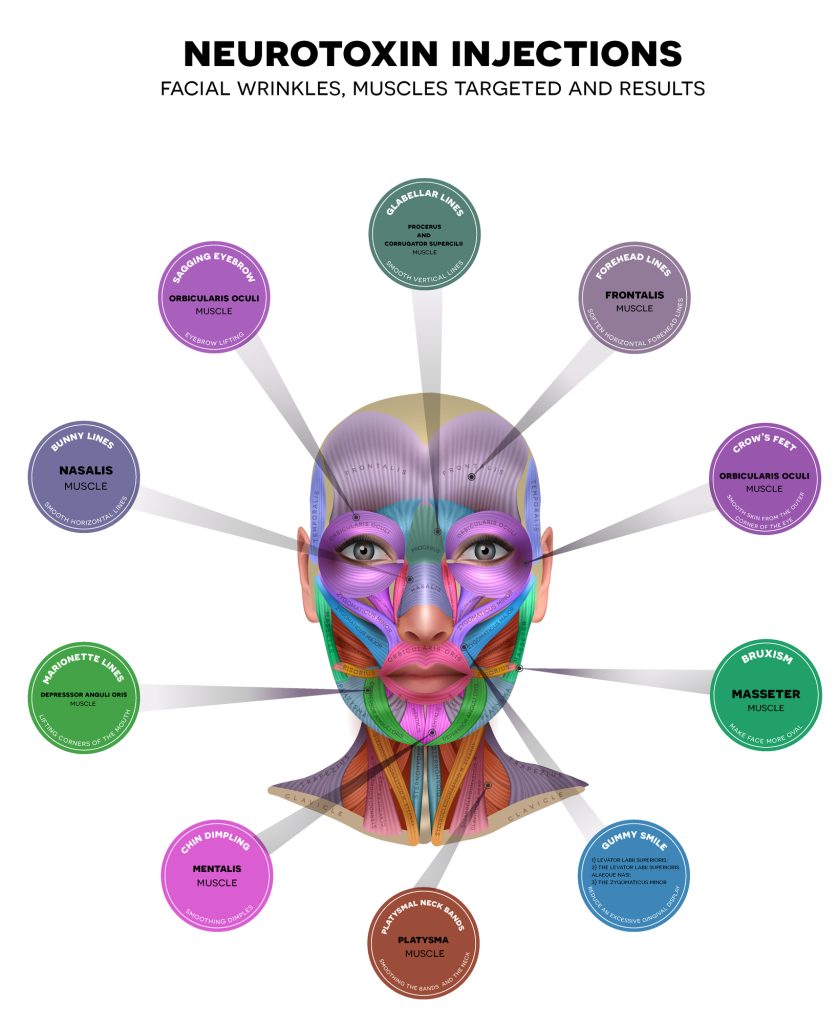
A thorough understanding of facial anatomy and exacting skill are necessary for administering Botox.
Botox injections have become a popular choice for many individuals seeking to enhance their appearance and combat the signs of aging. However, while the benefits of Botox are widely celebrated, it’s essential to recognize that there are certain areas of the face where caution must be exercised. In this article, we will explore the danger zones of Botox injections and why careful consideration is crucial when undergoing treatment.
The Importance of Choosing a Trusted Injector
Before delving into the specific danger zones of Botox injections, it’s essential to emphasize the importance of selecting a trusted and experienced injector. Administering Botox requires intricate knowledge of facial anatomy and precise technique. Choosing an inexperienced injector increases the risk of adverse effects and complications. Therefore, thorough research and consultation with a qualified practitioner are paramount for safe and effective treatment.
- Chin or Around the Mouth: Precision is Key
Injecting Botox into the lower part of the face, particularly around the chin and mouth, requires meticulous precision. While it is possible to use Botox in these areas, the margin for error is minimal. Inexperienced injectors may inadvertently affect vital muscles and nerves, leading to undesirable outcomes such as a crooked smile, difficulty speaking, or lazy muscle syndrome. Patients should only trust trained professionals with expertise in facial anatomy when considering Botox injections in these regions.
- Orbicularis Oculi Muscle: Avoid the Wrong Spots
The delicate area around the eyes poses unique challenges for Botox injections. The orbicularis oculi muscle, responsible for eyelid movement and tear drainage, requires careful consideration during treatment. Incorrect placement of Botox near the orbital bone can result in ptosis, or eyelid drooping, which can persist for weeks or months. To mitigate risks, patients should seek out experienced injectors who prioritize safety and precision when targeting wrinkles around the eyes.
- Frontalis Muscle: Correct Placement is Vital
While the forehead and glabella (between the brows) are common areas for Botox treatment, precise placement is essential to avoid undesirable outcomes. Injecting Botox into the forehead can lead to issues such as Spock Brow or drooping eyebrows if not administered correctly. Additionally, excessive Botox on the forehead can cause the eyes to appear tired or droopy, highlighting the importance of technique and dosage accuracy. Patients should communicate their concerns and preferences with their injectors to achieve optimal results.
- Upper Skin Layer: A Pointless Place for Injections
It’s crucial to understand that Botox injections are intended to target facial muscles, not the skin’s surface. Injecting Botox into random areas of the face or superficial layers will yield no results and may even pose unnecessary risks. Patients should trust skilled injectors who understand the science behind Botox placement and adhere to best practices for safe and effective treatment.
Conclusion
While Botox injections offer numerous benefits for rejuvenating the face and reducing signs of aging, it’s essential to approach treatment with caution and awareness of potential risks. By selecting a trusted injector and understanding the danger zones of Botox injections, patients can minimize the likelihood of complications and achieve desirable outcomes. Prioritizing safety and precision ensures a positive experience and natural-looking results that enhance one’s overall appearance.