

For facial rejuvenation and relief from teeth grinding and TMJ disorders, jaw Botox can thin the jawline and relieve symptoms.
While Botox is commonly associated with smoothing wrinkles and fine lines, its applications extend far beyond the realm of aesthetics. Jaw Botox, also known as masseter muscle Botox, offers a range of surprising benefits that not only enhance appearance but also improve health and quality of life. From slimming the jawline to alleviating symptoms of teeth grinding and TMJ disorders, jaw Botox presents a transformative solution for individuals seeking facial rejuvenation and relief from various conditions. In this article, we’ll explore five shocking facts about jaw Botox, shedding light on its remarkable versatility and potential.
What is Jaw Botox?
The masseter muscles, situated on either side of the jaw, play a crucial role in chewing and jaw movement. When these muscles become tight and tense, they can contribute to a bulky jawline, facial pain, and dental issues. Jaw Botox involves injecting botulinum toxin into the masseter muscles to induce relaxation, thereby slimming the jawline and addressing associated problems such as temporomandibular disorder (TMD) and teeth grinding.
5 Shocking Benefits of Jaw Botox
- Slimmer Jawline: Jaw Botox effectively reduces tension and bulk in the masseter muscles, resulting in a slimmer, more feminine jawline. Individuals with a square or overly masculine jawline can achieve a softer, oval-shaped face profile through targeted Botox injections. Beyond cosmetic enhancement, jawline slimming Botox can impart a youthful appearance and boost self-confidence.
- Decreased Teeth Grinding: Nighttime teeth grinding, or bruxism, poses a common yet challenging issue for many individuals. Jaw Botox helps combat bruxism by preventing the masseter muscles from tensing up during sleep, reducing the risk of dental discomfort and associated symptoms such as headaches and temporomandibular joint (TMJ) pain. By promoting muscle relaxation, Botox offers a promising solution for managing this habitual behavior effectively.
- Reduced Teeth Clenching: Although less damaging than teeth grinding, teeth clenching can still exert undue stress on the TMJ and contribute to facial and dental pain. Botox’s muscle-relaxing effect extends to clenching behavior, mitigating excessive muscle tension and alleviating related symptoms. Botox offers relief from teeth clenching by modulating nerve signals and promoting muscle relaxation, enhancing overall oral health and comfort.
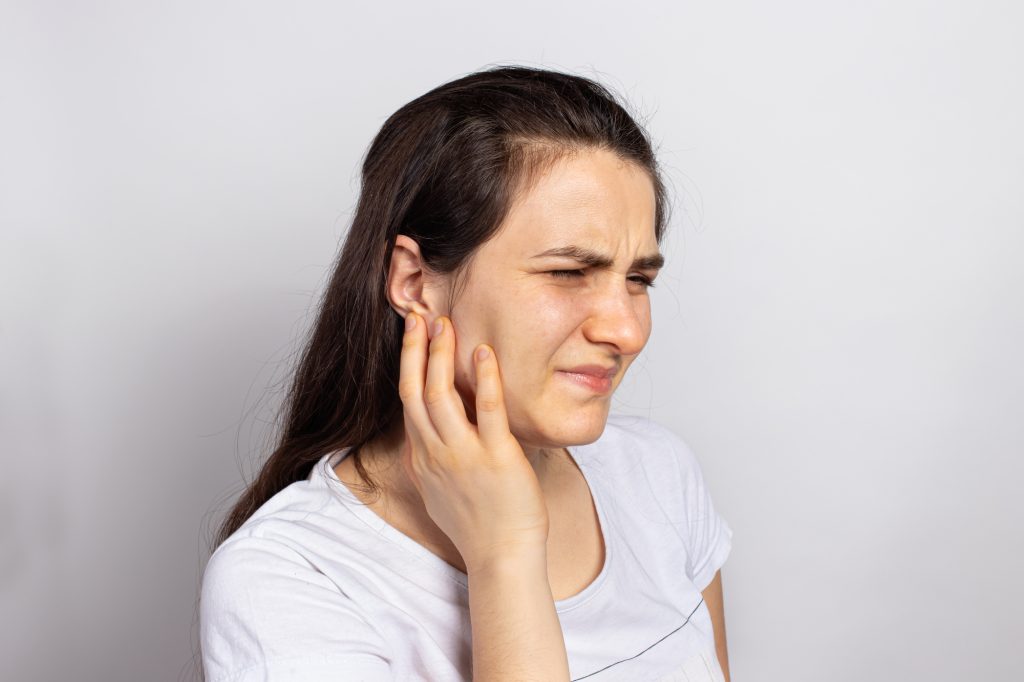
- Improved TMJ Symptoms: TMJ disorders, characterized by jaw pain, clicking sounds, and potential complications like lockjaw, can significantly impact daily life. Jaw Botox serves as a therapeutic intervention for managing TMJ symptoms by relieving muscle tension and reducing associated discomfort. By targeting the underlying muscle dysfunction, Botox helps restore jaw function and alleviate TMJ-related issues, enhancing overall well-being.
- Reduced Headaches: Excessive muscle tension, including that of the masseter muscles, can contribute to headaches and migraines. Jaw Botox offers relief from such headaches by promoting muscle relaxation and reducing tension-induced discomfort. By addressing the root cause of muscle tension, Botox provides an effective solution for individuals experiencing frequent headaches, improving their quality of life and enhancing overall comfort.
Is Jaw Botox Right for You?
Jawline Botox may not be suitable for everyone, but it presents a compelling option for individuals seeking facial refinement and relief from associated conditions. If you desire a softer, more feminine jawline or suffer from issues like TMJ disorders, teeth grinding, or headaches, jaw Botox could be the solution you’ve been seeking. Consulting with a qualified professional is essential to assess your suitability for the treatment and tailor the approach to your specific needs and goals.
Preparing for Jaw Botox
Before undergoing jawline Botox treatment, scheduling a consultation with a knowledgeable provider is crucial. Your treatment goals will be discussed during this consultation, and your facial anatomy will be evaluated to determine the appropriate injection sites and dosage. This personalized approach ensures optimal treatment outcomes and patient satisfaction.
What to Expect During Your Appointment
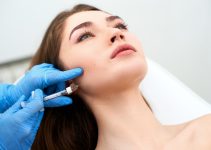
During the jaw Botox procedure, your provider will administer the injections after thoroughly cleansing the treatment area and applying a topical anesthetic for comfort. Typically, the patient tolerates the injections with little discomfort. Following the procedure, you may experience some localized soreness and swelling, which should subside within a few days.
Jaw Botox Aftercare Tips
Adhering to post-treatment care guidelines is essential to facilitate recovery and maintain optimal results. Avoiding vigorous activities and refraining from applying direct pressure to the treated area can aid in the healing process. Additionally, attending follow-up appointments for maintenance treatments every six months can help sustain the benefits of jaw Botox over time.
Conclusion
Jaw Botox offers a myriad of surprising benefits beyond its cosmetic enhancements, ranging from improved oral health to enhanced overall well-being. By harnessing the muscle-relaxing properties of Botox, individuals can achieve a slimmer, more defined jawline while alleviating symptoms of teeth grinding, TMJ disorders, and headaches. If you’re considering jawline Botox, consult with a qualified provider to explore how this transformative treatment can enhance your appearance and quality of life.