

One tried-and-true way to get younger-looking skin without undergoing intrusive surgeries is Botox treatment.
In the pursuit of eternal youth and flawless skin, Botox has emerged as a revolutionary solution, transforming the landscape of the beauty industry. Offering a non-invasive approach to combating aging, Botox has garnered widespread acclaim. But what lies beneath the surface of this cosmetic marvel? Let’s embark on a journey to unravel the science behind Botox treatment and its transformative effects on the skin.
Introduction to Botox Treatment
- Understanding Botox: Botox, derived from the neurotoxic protein of Clostridium botulinum, functions by safely paralyzing facial muscles with minute, diluted amounts.
- Popularity and Widespread Use: Originally developed for medical purposes, Botox gained prominence in the 1990s as a cosmetic treatment to mitigate wrinkles and fine lines. Its global appeal is evidenced by the millions of treatments administered annually.
Understanding Facial Muscles and Aging
- Role of Facial Muscles in Aging: The aging process, characterized by the gradual loss of collagen and elastin, contributes to sagging and wrinkles. Facial muscles play a pivotal role in this process, with repetitive movements and expressions leading to the formation of lines over time.
- Formation of Wrinkles and Fine Lines: Facial muscle activity is the main cause of dynamic wrinkles like frown lines and crow’s feet. These wrinkles intensify with age, imparting an appearance that belies one’s inner vitality.
Mechanism of Botox Treatment
- How Botox Works on Facial Muscles: Botox exerts its transformative effects by blocking nerve signals to muscles, thereby halting muscle contractions. Botox bestows smoother, wrinkle-free skin by temporarily paralyzing muscles in targeted areas, such as the forehead or around the eyes.
- Blockage of Nerve Signals: The inhibition of acetylcholine release, a neurotransmitter responsible for muscle contractions, lies at the heart of Botox’s mechanism. Botox induces muscle relaxation by intercepting this signal, resulting in a rejuvenated appearance.
The Procedure: What to Expect
- Consultation with a Dermatologist: Before undergoing Botox treatment, it is imperative to consult a qualified dermatologist or cosmetic surgeon. This initial assessment enables the practitioner to evaluate concerns, discuss goals, and determine the suitability of Botox for the individual.
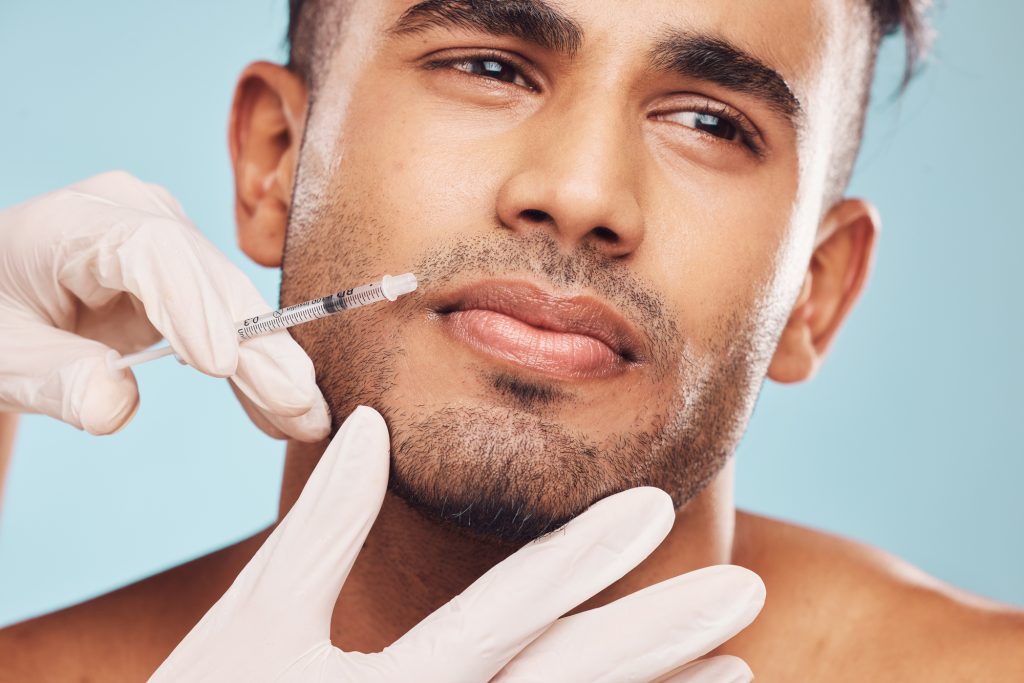
- Injection Process and Pain Level: The Botox injection process is swift and relatively painless, often likened to a mild pinch or sting. Topical anesthesia may be utilized to minimize discomfort, ensuring a comfortable experience for the patient.
- Areas Treated with Botox: Botox effectively addresses wrinkles and fine lines in various facial regions, including the forehead, frown lines, crow’s feet, bunny lines, and lip lines.
- Off-label Uses and Emerging Trends: Besides its FDA-approved indications, Botox finds applications in off-label treatments, such as jawline contouring, chin dimpling, and neck rejuvenation, reflecting evolving trends in cosmetic enhancement.
Duration and Results
- Timeframe for Seeing Results: Patients typically observe the effects of Botox within days of treatment, with full results manifesting in 1-2 weeks. Individual responses may vary, with some experiencing expedited or delayed onset of action.
- Duration of Botox Effects: The effects of Botox endure for approximately 3–4 months, after which muscle activity gradually resumes, necessitating follow-up treatments to maintain optimal results.
Safety and Side Effects
- Potential Risks and Complications: While Botox is generally safe when administered by a trained professional, potential risks and complications include bruising, swelling, headaches, drooping eyelids, allergic reactions, and infection, albeit rare.
- Common Side Effects and How to Manage Them: Most side effects of Botox are mild and transient, resolving spontaneously within a few days. Adhering to post-treatment care instructions and consulting the provider for guidance ensures a smooth recovery process.
Who Can Benefit from Botox?
- Suitable Candidates for Botox Treatment: Botox is ideal for adults of all ages seeking to reduce wrinkles and achieve a more youthful appearance. However, pregnant or breastfeeding women and individuals with certain medical conditions may not qualify for treatment.
- Age Considerations and Skin Types: Botox effectively delays wrinkles in younger patients. However, its efficacy may vary based on skin type, with those with oily or combination skin potentially experiencing longer-lasting results than those with dry or sensitive skin.
Alternatives to Botox
- Comparison with Other Anti-Aging Treatments: Several alternative treatments, including dermal fillers, chemical peels, laser therapy, and micro-needling, offer viable options for rejuvenating the skin and reducing wrinkles, each with unique benefits and limitations.
- Pros and Cons of Alternatives: While Botox remains the gold standard for addressing dynamic wrinkles, individuals may opt for alternative treatments based on factors such as cost, downtime, and desired outcomes, necessitating a comprehensive evaluation of treatment options.
Cost of Botox Treatment
- Factors Affecting Cost: The average session cost for Botox treatment ranges from $200 to $800, depending on the number of units administered, the provider’s level of expertise, and the geographic location.
- Affordability and Budgeting Considerations: While Botox may seem initially costly, providers often offer incentives to make it more affordable. Considering the long-term benefits and potential savings over alternative treatments aids in budgeting for Botox.
Preparing for Botox Treatment
- Pre-Treatment Guidelines: Adhering to pre-treatment guidelines, including avoiding blood-thinning medications, alcohol, and certain supplements, optimizes treatment outcomes and minimizes risks.
- Lifestyle Adjustments for Optimal Results: Incorporating healthy lifestyle choices, such as maintaining a balanced diet, staying hydrated, and protecting the skin from sun damage, enhances the efficacy of Botox treatment and prolongs its effects.
Post-Treatment Care
- Recovery Process and Downtime: Following Botox treatment, mild redness, swelling, or bruising at the injection site may occur, with symptoms typically resolving within a few days. Most patients can resume normal activities immediately post-treatment.
- Follow-Up Appointments and Maintenance: Regular follow-up appointments with the provider are essential for maintaining Botox results and preventing wrinkles, with adjustments made to the treatment plan as needed based on individual requirements.
Myth Busting: Common Misconceptions About Botox
- Addressing Misconceptions and Fears: Despite its widespread acceptance, Botox is often shrouded in myths and misconceptions. Dispelling misinformation empowers individuals to make informed decisions regarding skin care.
- Debunking Myths with Scientific Evidence: Contrary to popular belief, Botox does not freeze facial expressions or create a plastic appearance; instead, it enhances beauty while preserving facial movement, resulting in natural-looking results.
Conclusion: Embracing Youthful Radiance with Botox
Botox treatment stands as a proven method for attaining youthful skin without resorting to invasive procedures. With minimal downtime and maximum efficacy, understanding the science behind Botox empowers individuals to make informed decisions regarding their skincare regimen, unlocking the secret to timeless beauty.